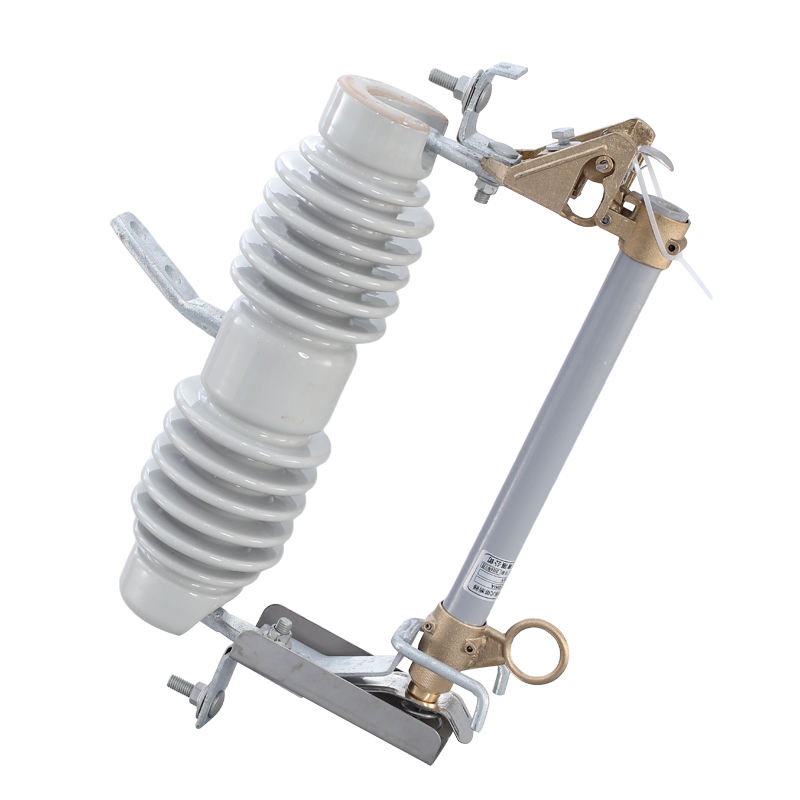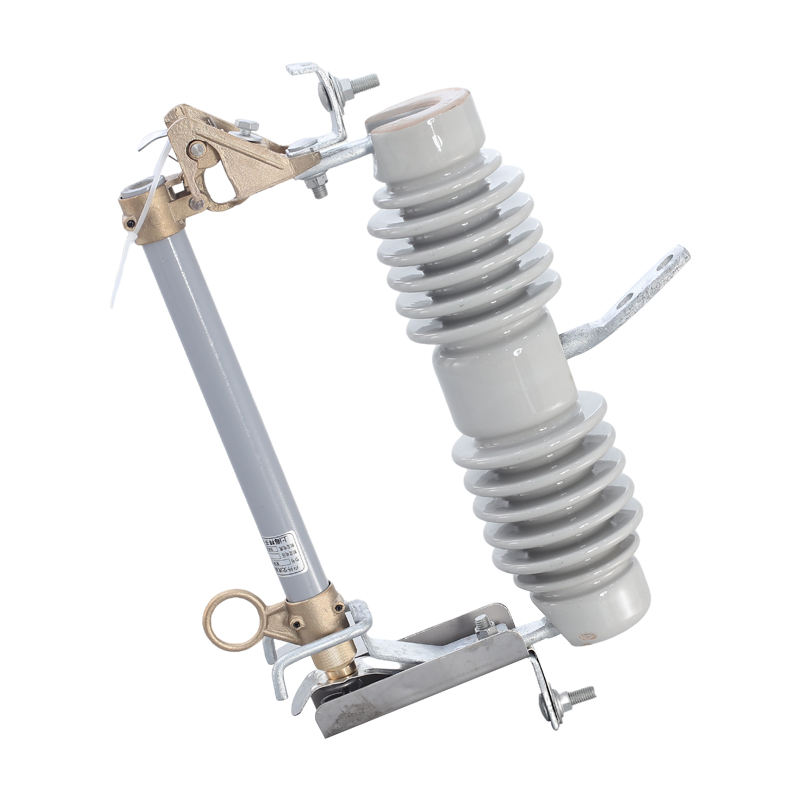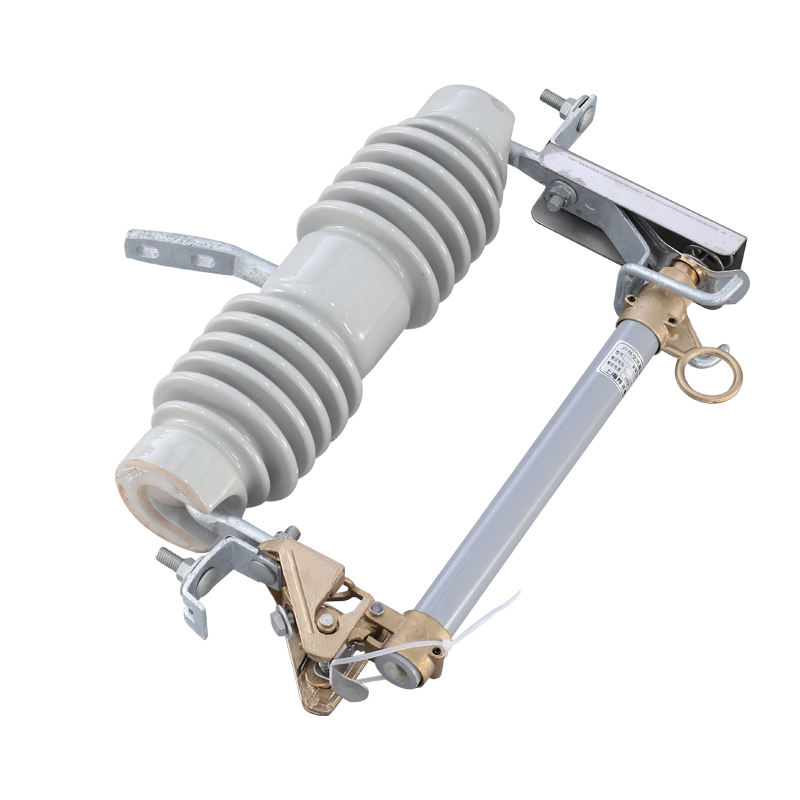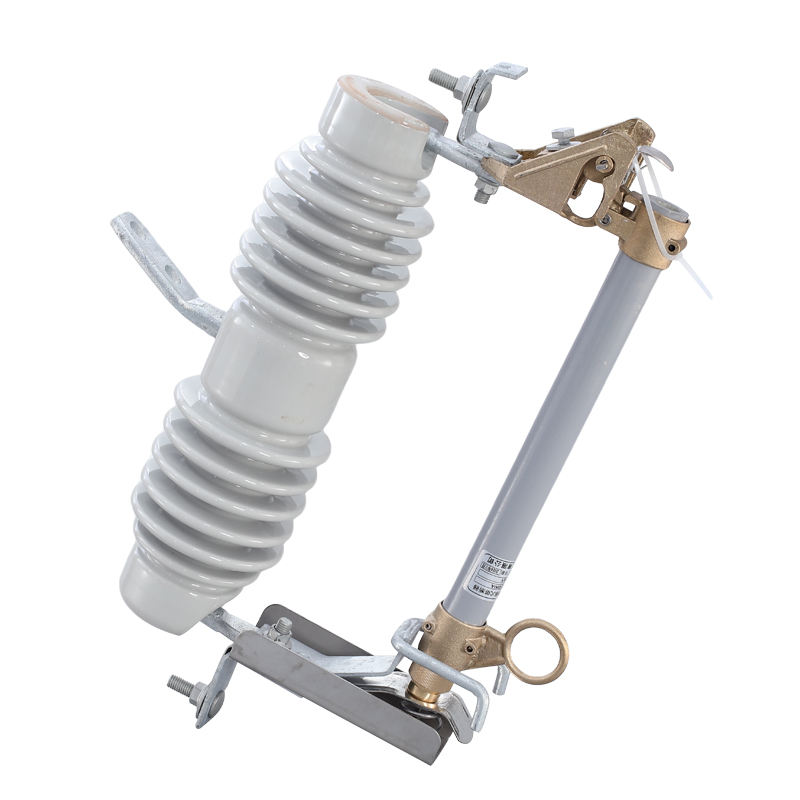
Low-voltage fuse
Low-Voltage Fuse: Your Ultimate Protection for Electrical Systems
Low-voltage fuses play a critical role in safeguarding electrical circuits from overcurrent and short-circuit conditions. These essential components are widely used in residential, commercial, and industrial applications, ensuring equipment protection and operational safety. This comprehensive guide explores the key aspects of low-voltage fuses, including specifications, selection criteria, and common applications.
Key Specifications of Low-Voltage Fuses
- Voltage Rating: Typically ranges from 48V to 600V AC/DC
- Current Rating: Available from 0.5A to 600A
- Breaking Capacity: Up to 200kA at rated voltage
- Time-Current Characteristics: Fast-acting, time-delay, or ultra-rapid types
- Standards Compliance: UL 248, IEC 60269, CSA C22.2
Low-Voltage Fuse Types Comparison
| Type | Characteristics | Typical Applications |
|---|---|---|
| Cartridge Fuses | Compact design, high breaking capacity | Industrial control panels, power distribution |
| Blade Fuses | Easy to replace, color-coded | Automotive, marine applications |
| NH Fuses | High performance, screw-in base | Motor protection, transformer circuits |
| Semiconductor Fuses | Ultra-fast operation, low I²t | Power electronics, solar inverters |
Low-Voltage Fuse FAQ Section
Q: What is the primary function of a low-voltage fuse?
A: A low-voltage fuse serves as a protective device that interrupts electrical current when it exceeds safe levels. It prevents damage to equipment and reduces fire risks by breaking the circuit during overload or short-circuit conditions. Unlike circuit breakers, fuses are one-time-use devices that must be replaced after operation.
Q: How do I select the right low-voltage fuse for my application?
A: Selecting the appropriate low-voltage fuse requires considering several factors: 1) System voltage must match or exceed the fuse rating, 2) Normal operating current should be below 75% of fuse rating for continuous loads, 3) Account for inrush currents in motor applications, 4) Consider ambient temperature effects on performance, and 5) Verify the fuse's interrupting capacity meets or exceeds the available short-circuit current.
Technical Parameters Table
| Parameter | Standard Values | Specialty Values |
|---|---|---|
| Voltage Rating | 250V, 380V, 480V, 600V | 690V, 1000V (special applications) |
| Current Rating | 1A-400A (standard range) | 0.5A-2000A (extended range) |
| Breaking Capacity | 35kA, 50kA, 100kA | Up to 200kA (high-performance) |
| Operating Temperature | -20°C to +60°C | -40°C to +85°C (extended) |
Installation and Maintenance Considerations
Proper installation of low-voltage fuses ensures optimal performance and safety. Always follow these guidelines:
- Verify the fuse holder matches the fuse type and rating
- Ensure proper contact pressure to prevent overheating
- Never replace a fuse with one of higher rating without proper evaluation
- Regularly inspect for signs of overheating or corrosion
- Maintain proper documentation of fuse types and ratings
Low-Voltage Fuse FAQ Section
Q: Can low-voltage fuses be used for DC applications?
A: While many low-voltage fuses are rated for both AC and DC applications, there are important differences to consider. DC circuits present unique challenges as there's no natural current zero crossing, making arc interruption more difficult. Always verify the manufacturer's DC ratings and derating factors, as DC applications typically require higher voltage ratings than equivalent AC systems. Special DC-rated fuses often have different construction features to handle these conditions.
Selection Guide for Common Applications
| Application | Recommended Fuse Type | Key Considerations |
|---|---|---|
| Motor Circuits | Time-delay Class J or Class RK5 | Must withstand motor starting currents |
| Transformer Protection | Class CC or Class J | Consider inrush current and secondary protection |
| Solar PV Systems | DC-rated PV fuses | Specialized for DC high voltage conditions |
| Control Circuits | Class CC or Class T | Fast-acting for sensitive electronics |
Industry Standards and Certifications
Quality low-voltage fuses comply with international standards:
- UL 248 (North America)
- IEC 60269 (International)
- CSA C22.2 (Canada)
- GB 13539 (China)
- VDE 0636 (Germany)
Low-Voltage Fuse FAQ Section
Q: What are the differences between fast-acting and time-delay low-voltage fuses?
A: Fast-acting low-voltage fuses open quickly when subjected to overload or short-circuit conditions, offering maximum protection for sensitive components. Time-delay fuses incorporate a designed delay that allows temporary inrush currents (like motor startups) to pass without opening, while still protecting against sustained overloads. The choice depends on the protected equipment - fast-acting for semiconductors and electronics, time-delay for motors and transformers.
Performance Characteristics
| Characteristic | Fast-Acting | Time-Delay |
|---|---|---|
| Response Time | Milliseconds | Seconds to minutes |
| I²t Value | Low | Higher |
| Best For | Semiconductors, control circuits | Motors, transformers |
Understanding these low-voltage fuse specifications and characteristics helps ensure you select the right protection for your electrical systems. Always consult with qualified professionals when designing or modifying protection schemes.