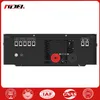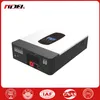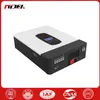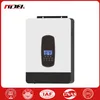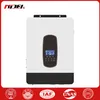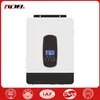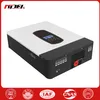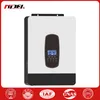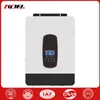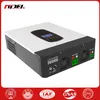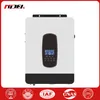
Inverter
High Performance Power Inverter Solutions
Modern power inverters have become essential components for converting DC power to AC power in various applications. Our premium quality inverters deliver reliable performance for both residential and commercial use.
Key Features of Our Inverter Technology
- Advanced Pure Sine Wave - Provides clean and stable power output
- High Conversion Efficiency - Up to 96% efficiency rating
- Robust Cooling System - Intelligent temperature control with silent operation
- Multi-Protection System - Overload, short circuit, over temperature protection
- LCD Display - Clear operational status monitoring
Technical Specifications
| Model | Power Rating | Input Voltage | Output Voltage | Frequency | Efficiency |
|---|---|---|---|---|---|
| INV-1000 | 1000W | 12V/24V DC | 110V/220V AC | 50Hz/60Hz | 94% |
| INV-2000 | 2000W | 24V/48V DC | 110V/220V AC | 50Hz/60Hz | 95% |
| INV-3000 | 3000W | 48V DC | 220V AC | 50Hz/60Hz | 96% |
Inverter FAQ - Common Questions Answered
What is the difference between modified sine wave and pure sine wave inverters?
Pure sine wave inverters produce electricity identical to utility-supplied power, making them compatible with all electronic devices including sensitive equipment like medical devices and variable speed motors. Modified sine wave inverters are less expensive but may cause issues with certain devices due to their stepped waveform.
How do I determine what size inverter I need?
Calculate the total wattage of all devices you plan to run simultaneously, then add 20-30% as a safety margin. Consider both continuous wattage (normal operation) and surge wattage (startup power). Our 1000W inverter typically handles small appliances, while 3000W models can power multiple larger devices.
Can I connect an inverter directly to my car battery?
Yes, but with important precautions. Ensure your battery is properly sized for the inverter's power draw, use appropriate gauge wiring, and never discharge your battery below 50% capacity. For continuous high-power use, we recommend dedicated deep cycle batteries rather than standard car batteries.
Common Applications for Power Inverters
- Solar power systems
- RV and marine power solutions
- Emergency backup power
- Off-grid applications
- Mobile business operations
Inverter Installation Tips
- Choose a well-ventilated location away from moisture
- Use proper gauge wiring for your power requirements
- Connect to an appropriately sized battery bank
- Install proper fuses between battery and inverter
- Consider professional installation for large systems
Inverter Maintenance Guide
| Maintenance Task | Frequency | Importance |
|---|---|---|
| Check connections | Monthly | High |
| Clean dust from vents | Quarterly | Medium |
| Test overload protection | Annually | High |
| Battery maintenance | As needed | Critical |
More Inverter Questions Answered
How long can an inverter run on batteries?
Runtime depends on battery capacity and power draw. Calculate by dividing battery capacity (Ah) by load current (A). For example, a 100Ah battery running a 10A load would last about 10 hours at 50% discharge. Always consider that inverters have efficiency losses (typically 5-15%).
Why does my inverter beep or shut down?
Common causes include: low battery voltage (below cutoff point), overload conditions, overheating, or internal faults. Our inverters include diagnostic LED indicators to help identify specific issues. Always check battery connections and charge level first when troubleshooting.
Can I parallel connect multiple inverters?
Some models support parallel operation for increased capacity, but this requires identical models with proper synchronization. Never attempt to parallel inverters without explicit manufacturer approval as it can cause dangerous conditions and void warranties.
Inverter Safety Considerations
- Always disconnect from power sources before servicing
- Use appropriate personal protective equipment when working with batteries
- Properly ground the inverter system
- Follow all local electrical codes
- Keep inverters away from flammable materials
Advanced Inverter Topics
What's the difference between grid-tie and off-grid inverters?
Grid-tie inverters synchronize with utility power and feed excess energy back to the grid, requiring special approvals. Off-grid inverters operate independently with battery storage. Hybrid inverters combine both capabilities, offering the most flexibility for changing needs.
How do MPPT solar charge controllers work with inverters?
MPPT (Maximum Power Point Tracking) controllers optimize solar panel output, then charge batteries that power inverters. This combination creates efficient solar power systems, with the MPPT extracting up to 30% more energy than traditional controllers.
What maintenance do inverters require in solar installations?
Solar inverters need periodic inspection of connections, cooling fan operation checks, and software updates if applicable. Ground-mounted inverters may require more frequent cleaning than roof-mounted units. Monitoring system performance helps detect issues early.
Choosing the Right Inverter
Selecting the proper inverter involves careful consideration of your power requirements, intended applications, and budget. Our range of high-quality inverters offers solutions for every need, from compact portable units to heavy-duty industrial systems. For personalized recommendations based on your specific requirements, consult with our technical specialists.