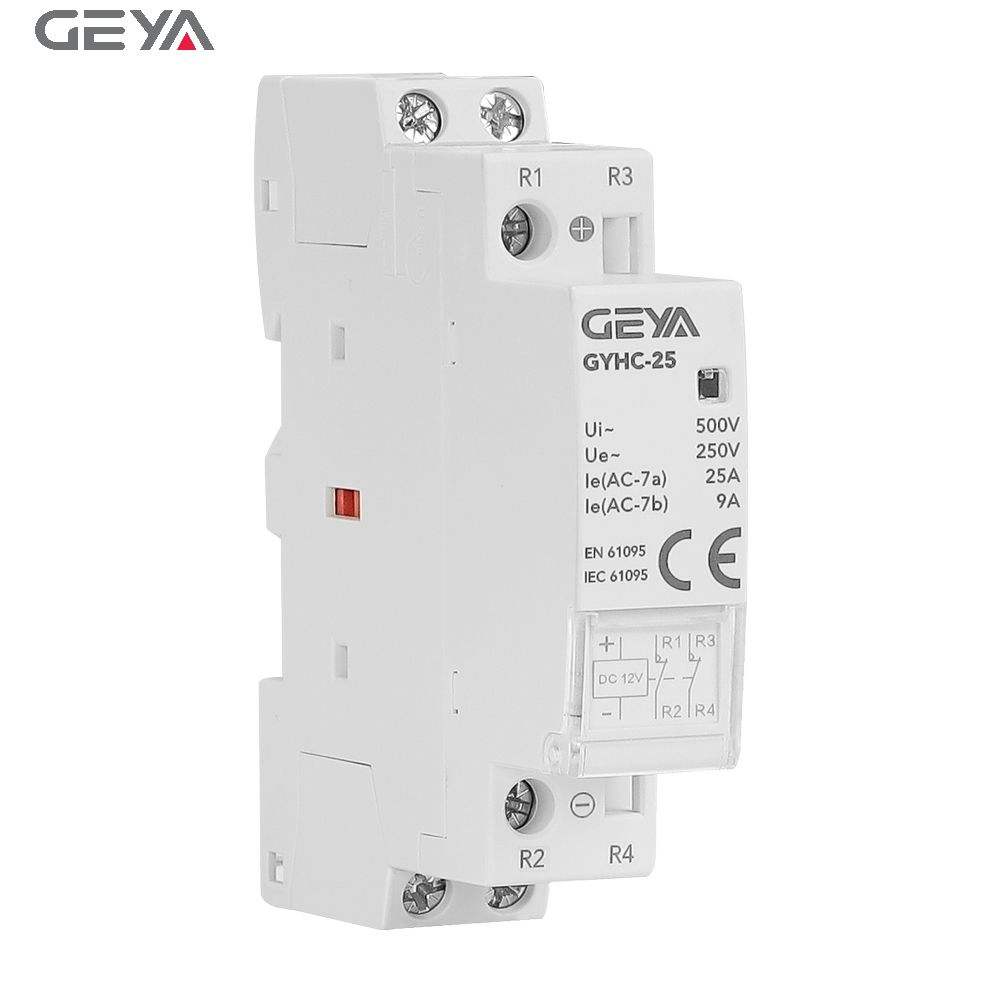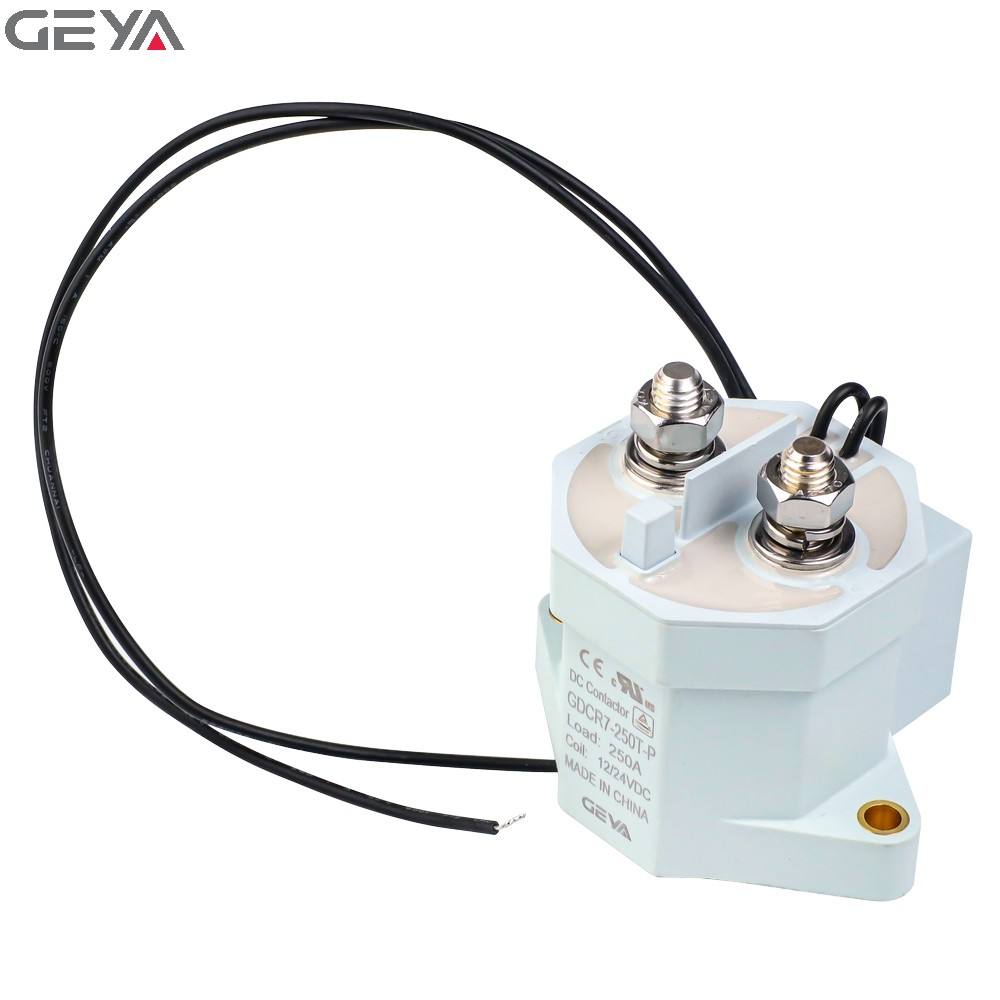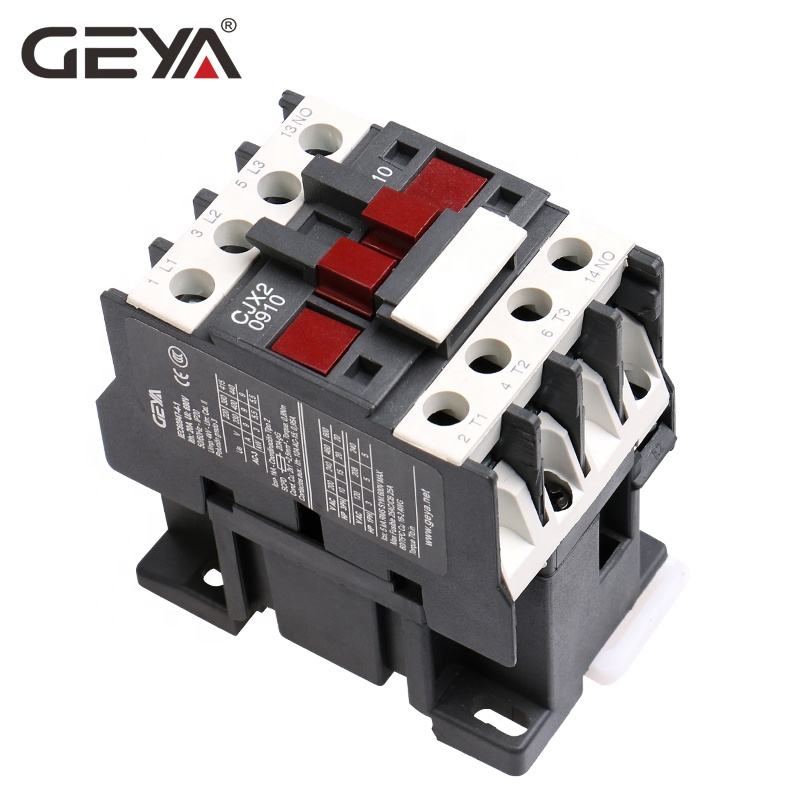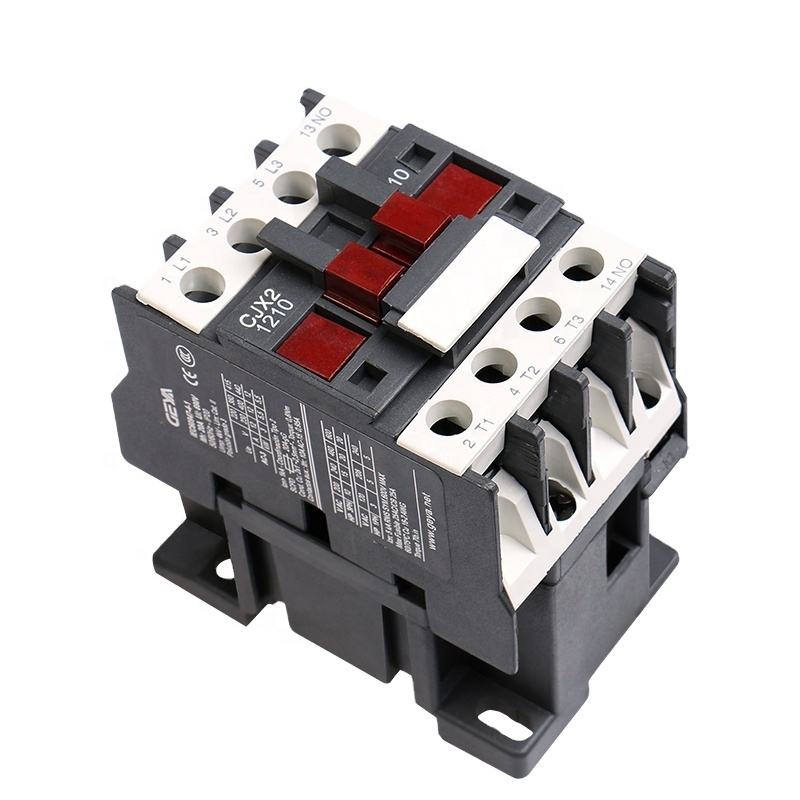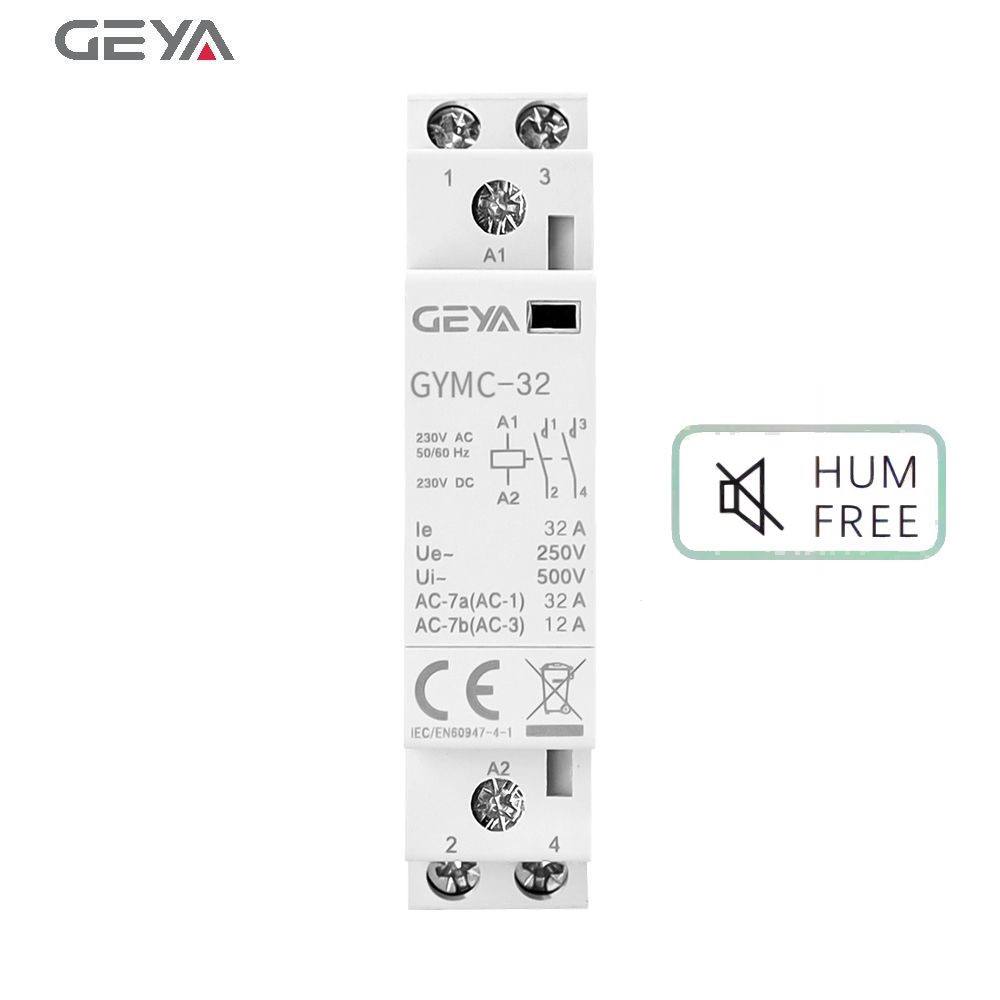
Low-voltage contactor
| Parameter | Specification |
|---|---|
| Rated Voltage | 220V-690V AC |
| Rated Current | 9A-800A |
| Operating Frequency | 50Hz/60Hz |
| Electrical Life | 500,000 operations |
| Mechanical Life | 1,000,000 operations |
| Insulation Voltage | 1000V |
| Protection Class | IP20 |
Key Features of Our Low-voltage Contactors
- Compact design with space-saving installation
- High breaking capacity for reliable operation
- Silver alloy contacts for extended service life
- Modular accessories available for various applications
- Compliant with IEC 60947-4-1 standards
- Optional thermal overload protection modules
- Low power consumption coils for energy efficiency
Low-voltage Contactor Applications
- Motor control centers
- HVAC systems
- Pumping stations
- Industrial automation
- Compressor controls
- Lighting control systems
- Power distribution panels
Low-voltage Contactor FAQ
Q: What is the typical lifespan of a Low-voltage contactor?
A: The lifespan depends on operating conditions, but our Low-voltage contactors typically offer 500,000 electrical operations and 1,000,000 mechanical operations. Proper maintenance and operating within rated specifications can maximize the contactor's service life.
Q: Can Low-voltage contactors be used for DC applications?
A: Standard Low-voltage contactors are designed for AC circuits. For DC applications, special versions with arc-quenching features are required. Please consult our technical team for DC-rated contactor options.
Q: How do I select the right Low-voltage contactor for my application?
A: Key factors include load current, control voltage, number of poles, and environmental conditions. Our selection guide recommends choosing a contactor rated at least 25% above your maximum expected load current. For motor applications, consider starting current and duty cycle.
Installation Requirements for Low-voltage Contactors
- Mount in a vertical position (±30°) for optimal performance
- Maintain minimum clearance of 10mm around the contactor
- Use proper torque values when tightening connections
- Ensure adequate ventilation to prevent overheating
- Protect from excessive dust, moisture, and vibration
Maintenance Recommendations
| Maintenance Task | Frequency |
|---|---|
| Contact inspection | Every 6 months |
| Mechanical parts lubrication | Annually |
| Coil resistance check | Every 2 years |
| Terminal tightening | During annual inspection |
Troubleshooting Common Issues
- Contactor won't engage: Check control voltage, coil continuity, and mechanical obstruction
- Excessive noise: Verify proper voltage and check for loose parts
- Overheating: Clean contacts and ensure proper current rating
- Premature contact wear: Check for voltage spikes and arcing conditions
Low-voltage Contactor Accessories
- Auxiliary contact blocks (NO/NC)
- Mechanical interlocks
- Surge suppression modules
- Mounting adapters
- Terminal covers