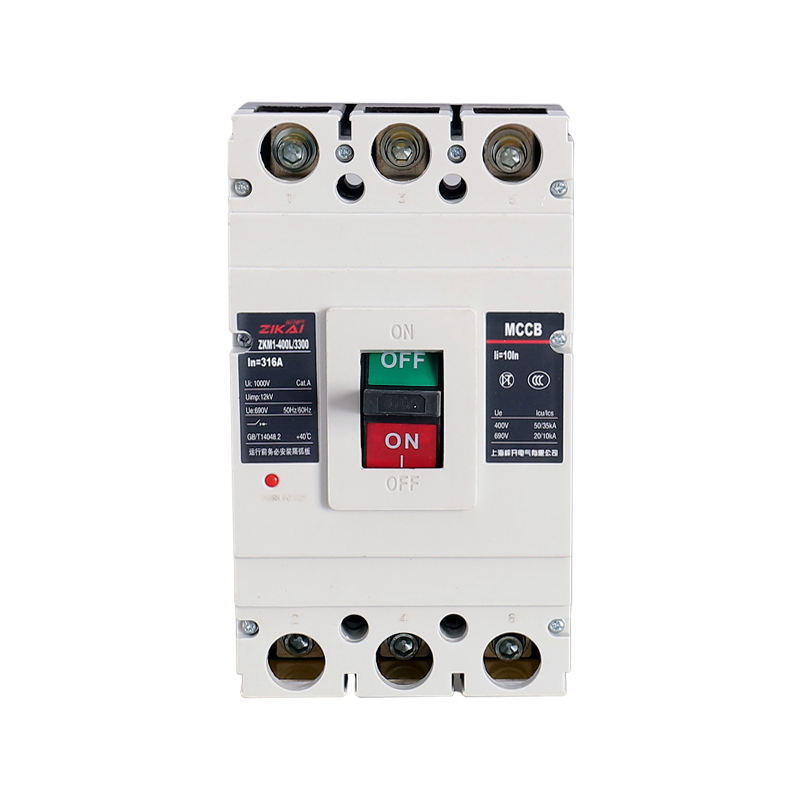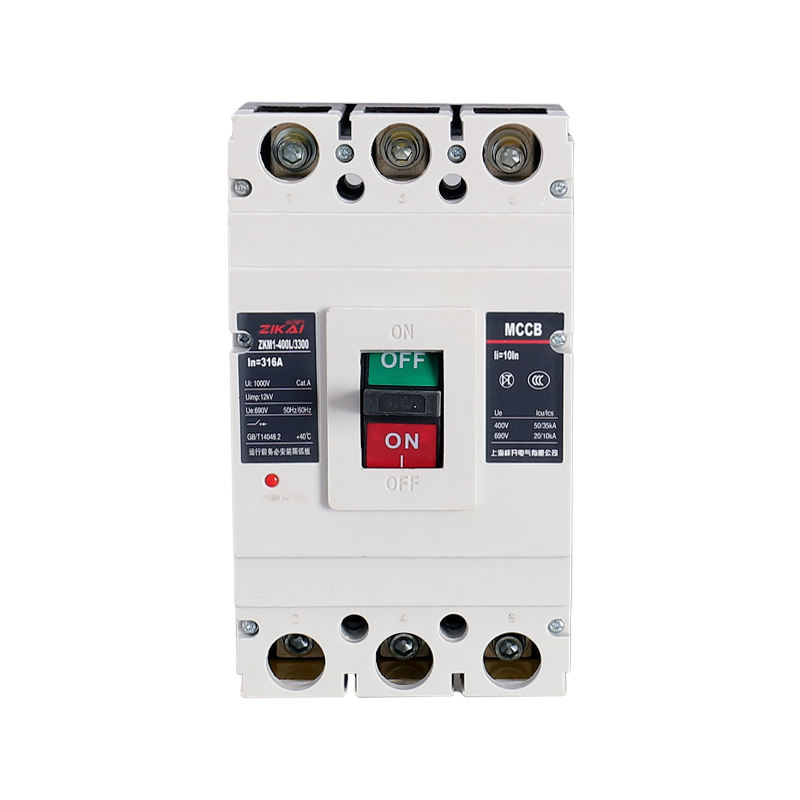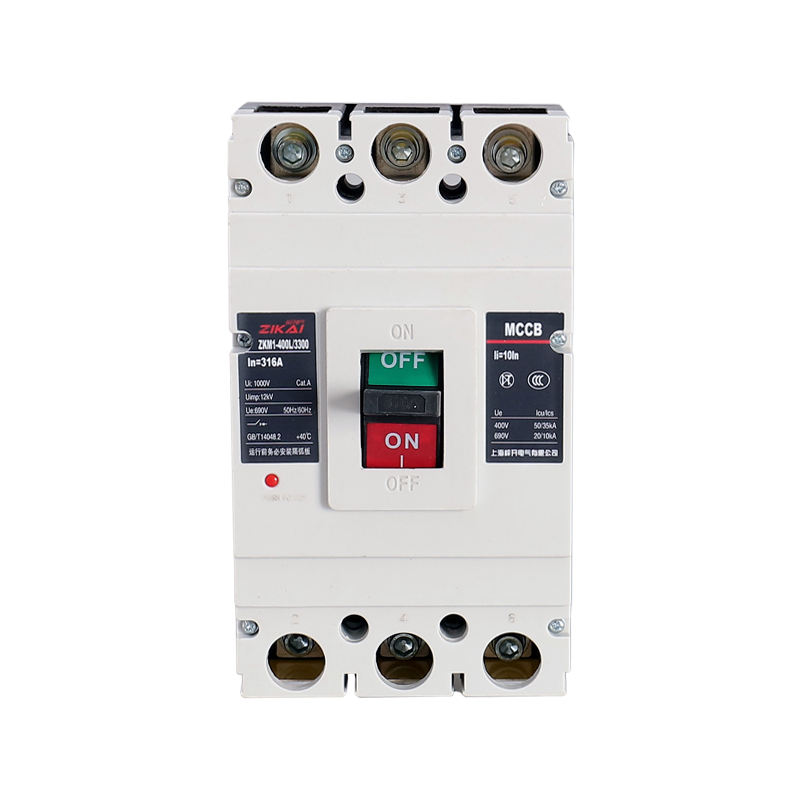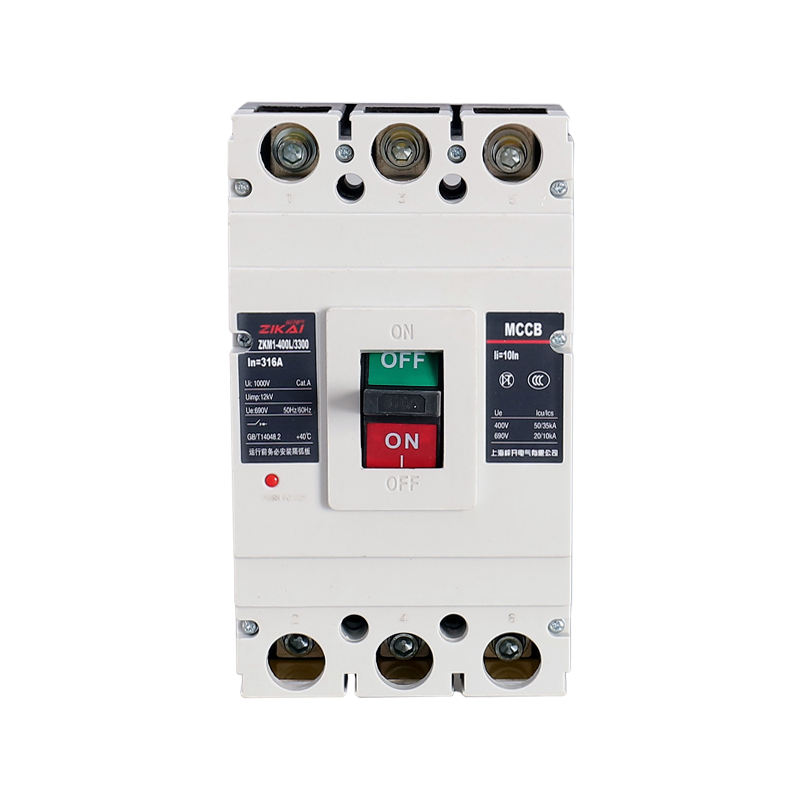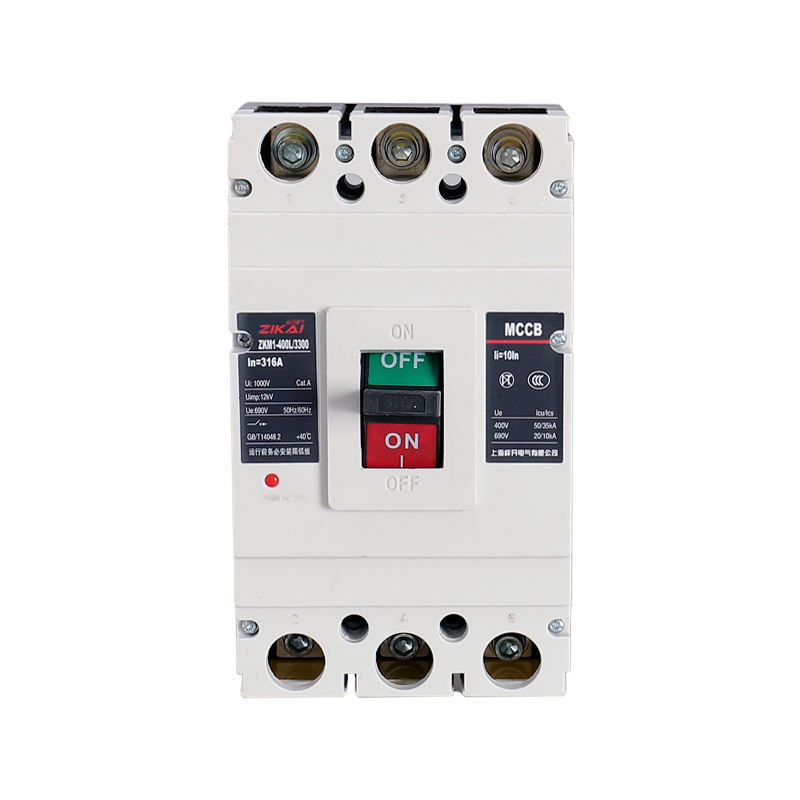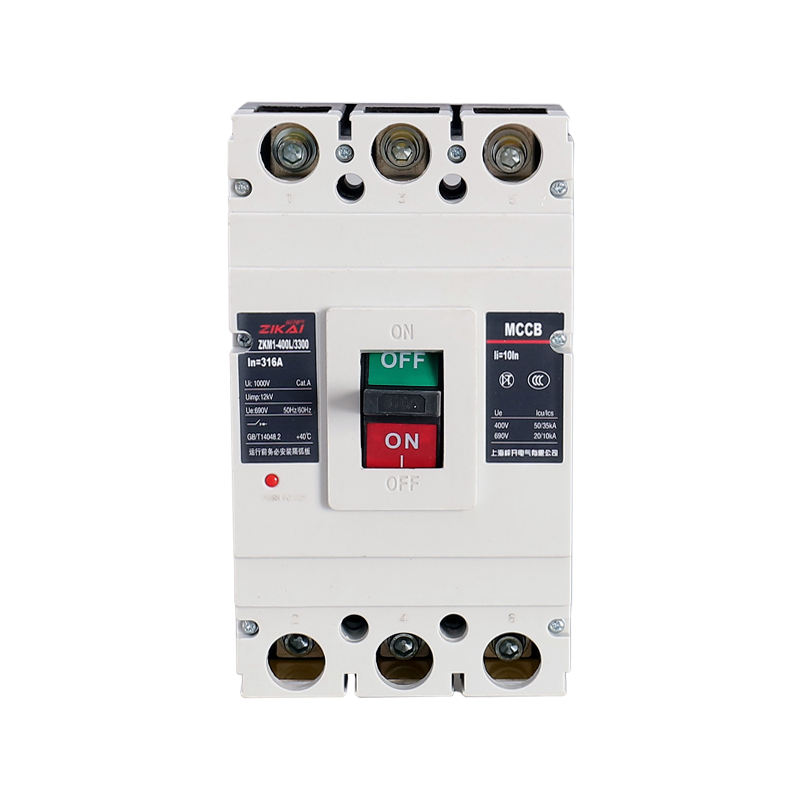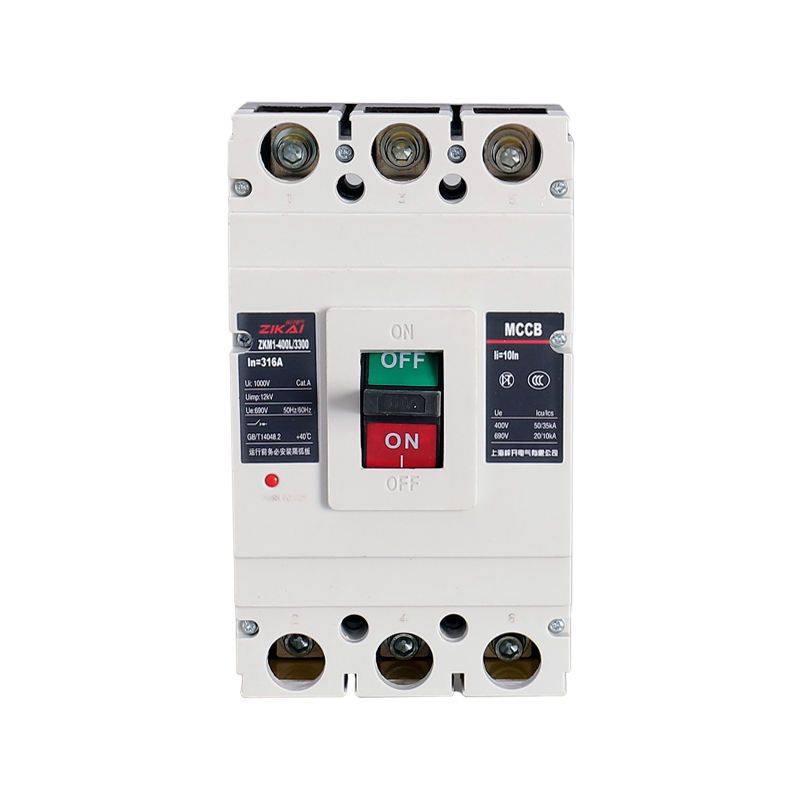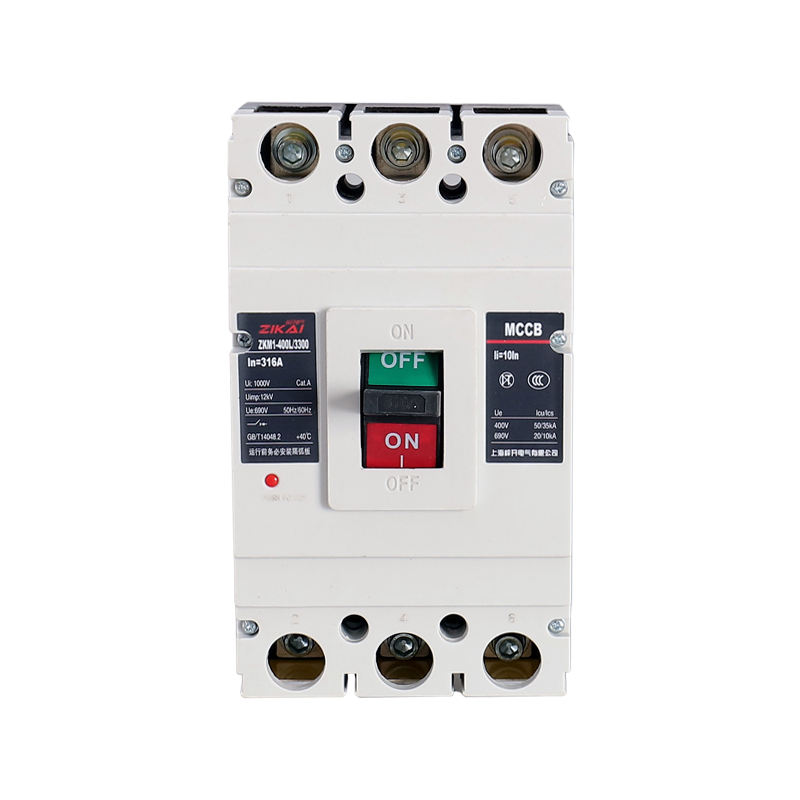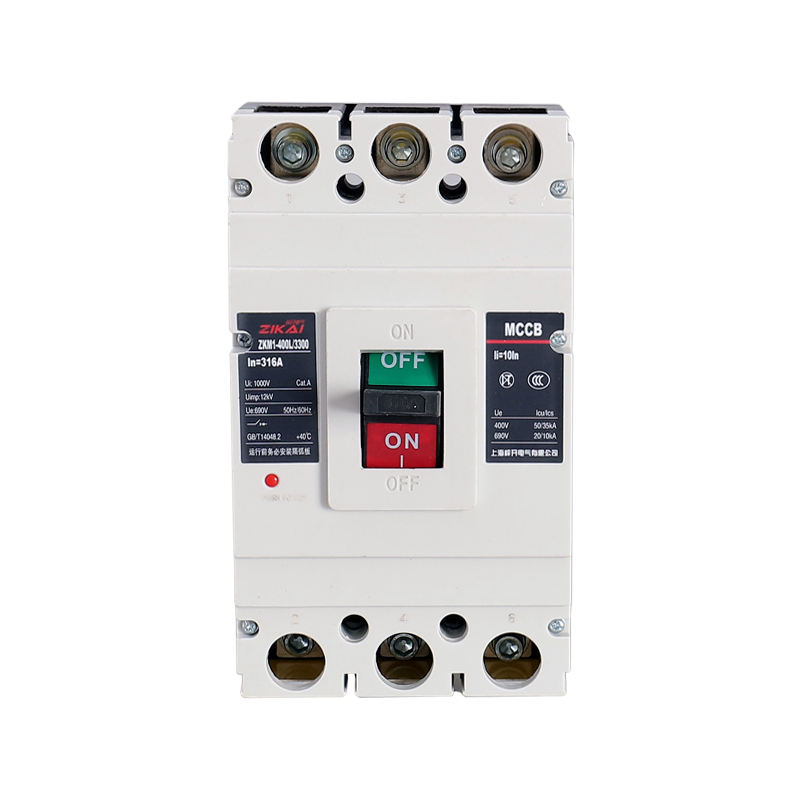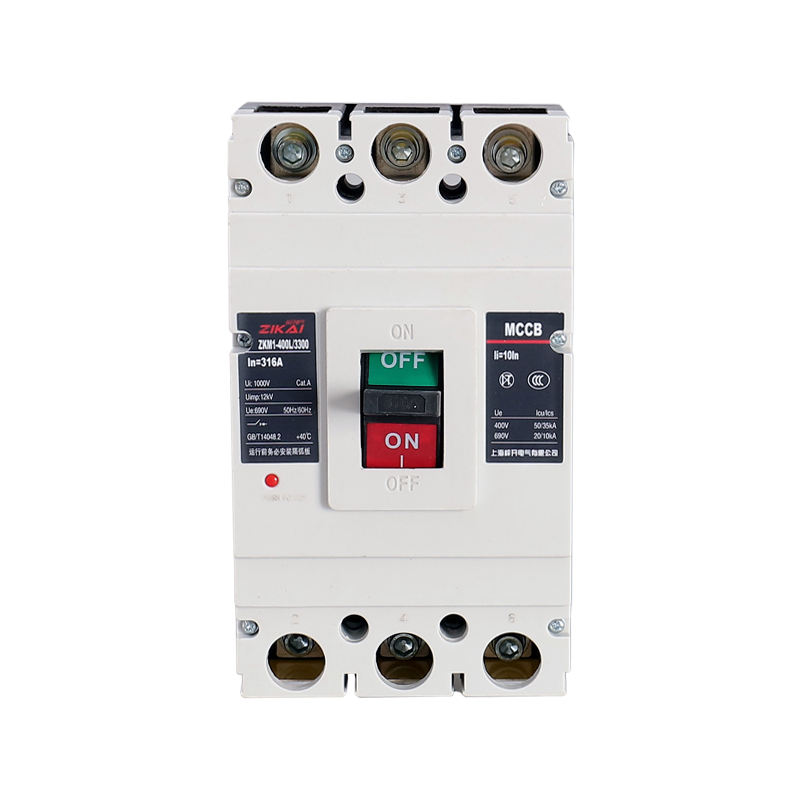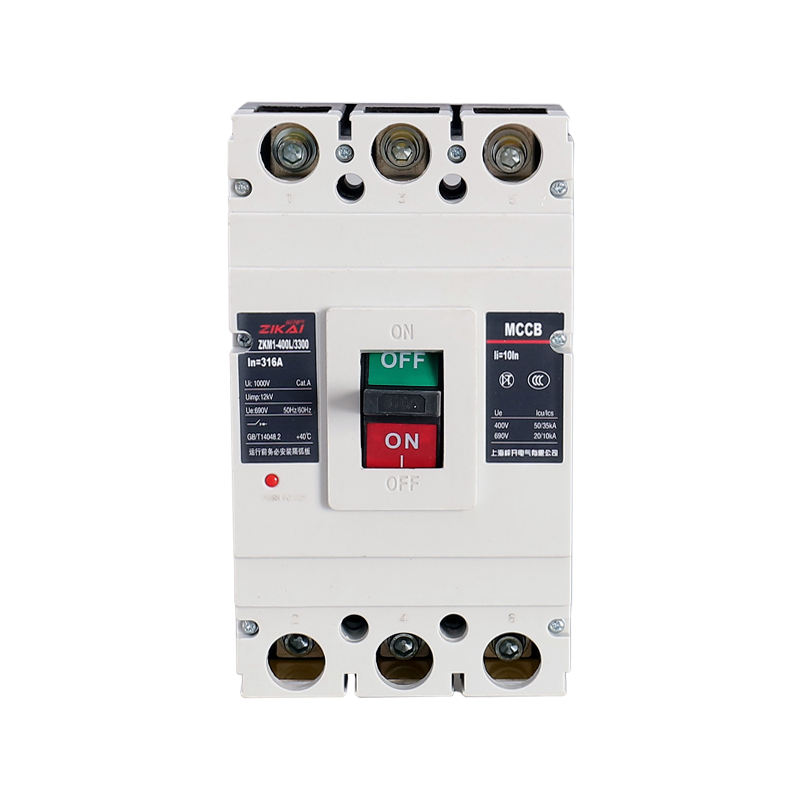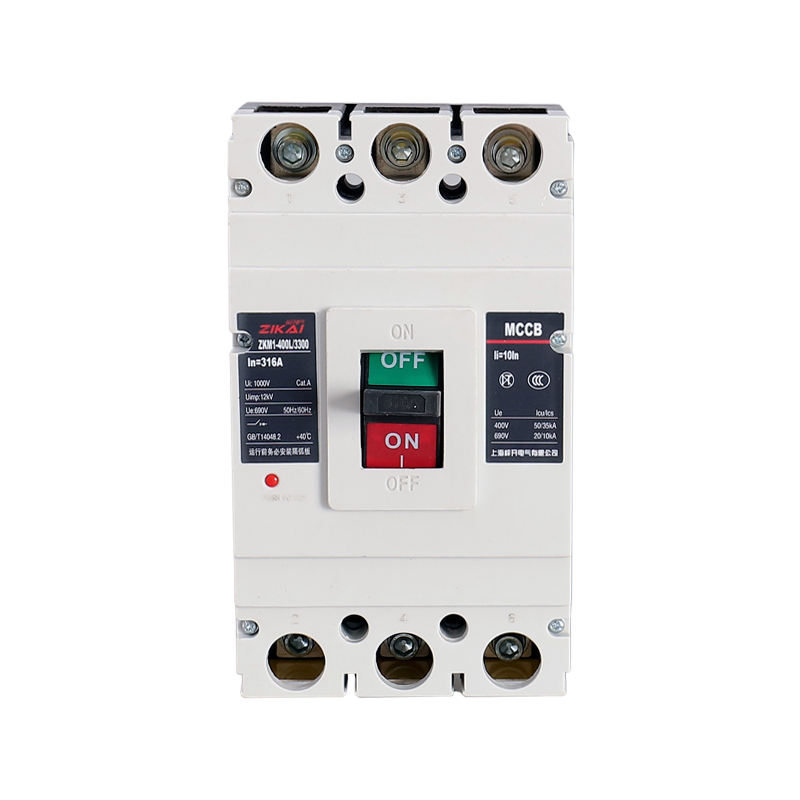
Low-voltage circuit breaker
Low-voltage circuit breaker: The Ultimate Protection for Electrical Systems
Low-voltage circuit breakers are essential components in modern electrical systems, providing reliable protection against overloads and short circuits. Our industrial-grade Low-voltage circuit breaker delivers superior performance, safety, and durability for commercial and residential applications.
Key Features of Our Low-voltage circuit breaker
- Rated current: 0.5A to 6300A
- Rated operational voltage: 230V to 1000V AC/DC
- Breaking capacity: up to 150kA
- Mechanical lifespan: 20,000 operations
- Electrical lifespan: 10,000 operations
- Compact modular design for easy installation
- Advanced arc quenching technology
- Thermal-magnetic trip mechanism
- Complies with IEC 60947-2 standards
| Model | Rated Current | Breaking Capacity | Poles | Trip Type |
|---|---|---|---|---|
| LV-100M | 100A | 25kA | 1P, 2P, 3P, 4P | Thermal-magnetic |
| LV-250M | 250A | 35kA | 3P, 4P | Electronic |
| LV-630M | 630A | 50kA | 3P, 4P | Digital |
| LV-1250M | 1250A | 65kA | 3P, 4P | Microprocessor |
FAQ Section: Low-voltage circuit breaker
Q: What is the difference between a Low-voltage circuit breaker and a fuse?
A: While both provide overcurrent protection, a Low-voltage circuit breaker can be reset after tripping, whereas a fuse needs replacement. Circuit breakers offer more precise protection levels, better coordination capabilities, and can be manually operated as switches. They also provide faster response times for critical applications.
Q: How often should I test my Low-voltage circuit breaker?
A: We recommend testing your Low-voltage circuit breaker every 6-12 months depending on usage conditions. Regular testing ensures proper mechanical operation and trip functionality. For circuit breakers in harsh environments or critical applications, quarterly testing may be necessary. Always follow manufacturer guidelines and local electrical codes.
Technical Specifications
| Parameter | Specification |
|---|---|
| Insulation Voltage | 1000V |
| Impulse Withstand Voltage | 8kV |
| Operating Temperature | -25°C to +70°C |
| Storage Temperature | -40°C to +85°C |
| Relative Humidity | 95% at +40°C |
| Altitude | Up to 2000m without derating |
Q: Can a Low-voltage circuit breaker be used for DC applications?
A: Yes, but special consideration is required. Our LV-DC series Low-voltage circuit breakers are specifically designed for DC applications up to 750V. Standard AC circuit breakers may have reduced performance with DC due to different arc quenching requirements. Always verify the manufacturer's specifications for DC ratings and consult with an electrical engineer for specific applications.
Installation Guidelines
- Ensure proper voltage and current ratings match your application
- Maintain proper clearance around the circuit breaker for ventilation
- Use appropriate torque values when connecting conductors
- Verify proper mounting orientation as specified in the manual
- Perform insulation resistance tests before energizing
- Confirm proper operation of mechanical indicators
Maintenance Recommendations
- Regularly inspect for signs of overheating or corrosion
- Check tightness of electrical connections annually
- Clean dust accumulation with compressed air (power off)
- Test trip functionality periodically
- Keep operation records for predictive maintenance
- Replace aging circuit breakers after reaching mechanical lifespan