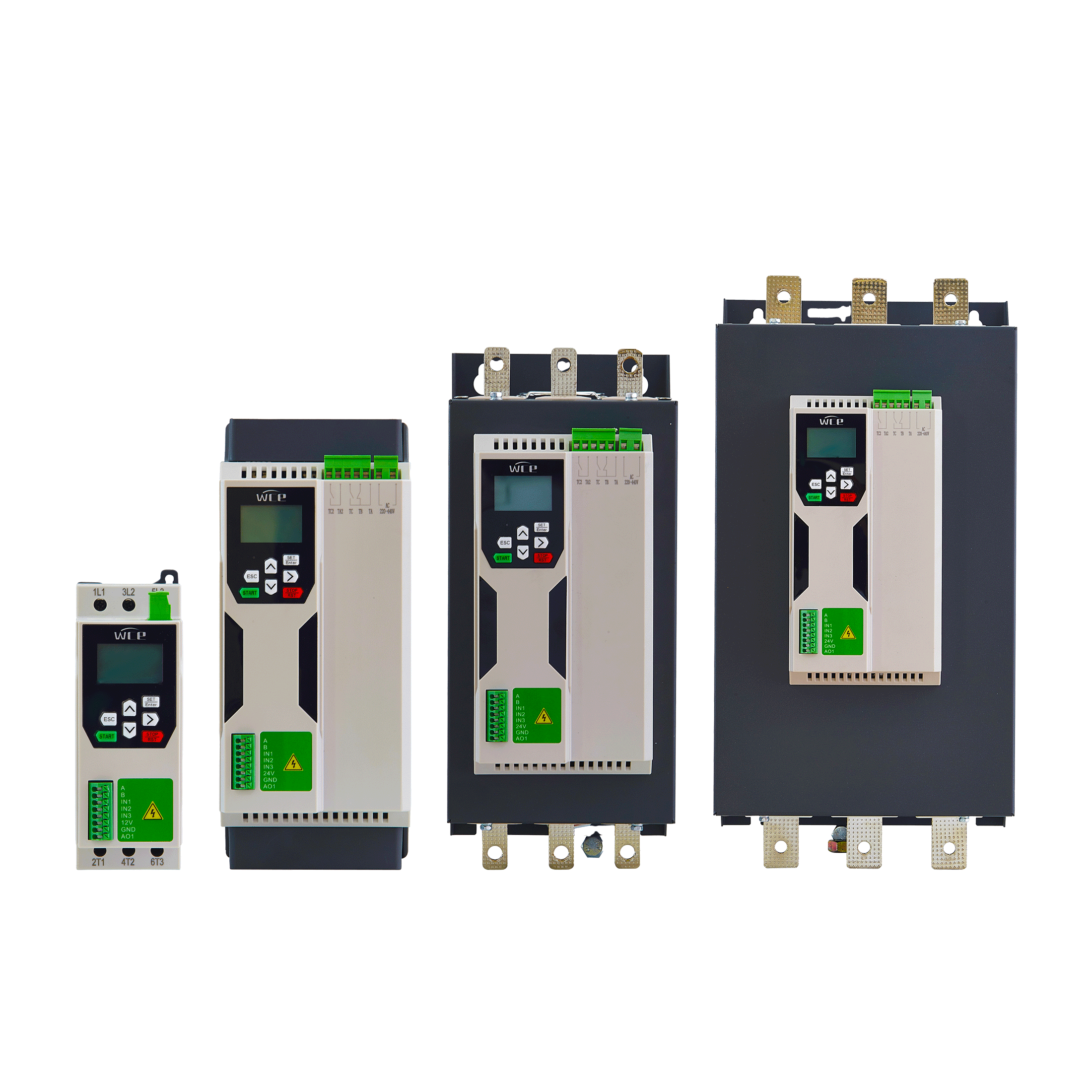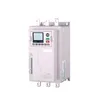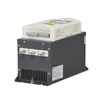
Industrial timers
High-Performance Industrial Timers for Precision Control
Industrial timers are essential components for automation systems, process control, and equipment management across various industries. Our premium industrial timers offer reliable timing solutions with exceptional accuracy and durability.
Key Features of Our Industrial Timers
- Precision Timing: Accuracy up to ±0.1% with crystal oscillator technology
- Wide Voltage Range: Operates from 24V DC to 480V AC
- Multiple Functions: On-delay, off-delay, interval, and repeat cycle operations
- Robust Construction: IP65 rated enclosures for dust and water resistance
- Easy Installation: DIN rail or panel mounting options
- Visual Indicators: LED displays with clear status indicators
Industrial Timers Technical Specifications
| Model | Voltage Range | Timer Range | Contact Rating | Mounting |
|---|---|---|---|---|
| IT-100 | 24-240V AC/DC | 0.1s-100h | 10A @ 250V | DIN Rail |
| IT-200 | 12-480V AC/DC | 0.05s-999h | 15A @ 250V | Panel |
| IT-300 | 48-600V AC | 1s-9999h | 20A @ 600V | DIN Rail |
Industrial Timers Applications
Our industrial timers are widely used in:
- Manufacturing assembly lines
- HVAC control systems
- Industrial lighting control
- Motor sequencing applications
- Process control equipment
- Packaging machinery
Industrial Timers FAQ
What is the difference between on-delay and off-delay industrial timers?
On-delay industrial timers start timing when power is applied, then activate the output after the set time has elapsed. Off-delay timers immediately activate the output when powered, then deactivate it after the preset time period when power is removed.
How do I select the right industrial timer for my application?
Consider these factors when selecting industrial timers: required timing functions (on-delay, off-delay, etc.), voltage requirements, timing range needed, environmental conditions (temperature, humidity), contact rating for your load, and mounting preferences. Our technical team can assist with specific application requirements.
Can industrial timers be used in hazardous locations?
Standard industrial timers are not certified for hazardous locations. We offer explosion-proof models with appropriate certifications (ATEX, IECEx) for use in potentially explosive atmospheres. Always verify the timer's certification matches your location's classification requirements.
Advanced Features of Modern Industrial Timers
The latest generation of industrial timers includes smart features for enhanced functionality:
- Network Connectivity: Ethernet/IP and Modbus communication options
- Programmable Logic: Built-in simple logic functions
- Multiple Presets: Store and recall multiple timing profiles
- Remote Monitoring: Real-time status through digital interfaces
- Energy Monitoring: Power consumption measurement capabilities
Installation Guide for Industrial Timers
- Verify power is disconnected before installation
- Select appropriate location considering environmental factors
- Choose correct mounting method (DIN rail or panel)
- Connect wiring according to diagram (typically: power, input, output)
- Set desired timing parameters using front panel controls
- Test operation with controlled power application
- Secure all connections and close enclosure
Industrial Timers Maintenance Recommendations
To ensure long-term reliability of your industrial timers:
- Perform visual inspections every 6 months
- Clean contacts and terminals annually
- Check for proper voltage and current ratings during operation
- Verify timing accuracy periodically with calibrated equipment
- Replace units showing signs of wear or malfunction
More Industrial Timers FAQ
What is the typical lifespan of industrial timers?
High-quality industrial timers typically last 5-10 years under normal operating conditions, with mechanical models averaging 1-3 million operations and solid-state versions often exceeding 10 million operations. Actual lifespan depends on environmental factors, electrical load, and maintenance practices.
Can industrial timers be repaired or should they be replaced?
Most modern industrial timers are designed as non-repairable units due to their complex electronics and cost-effectiveness. We recommend replacement rather than repair for optimal reliability and performance. However, some mechanical timer components may be serviceable by qualified technicians.
How do environmental factors affect industrial timer performance?
Industrial timers are affected by temperature extremes (typically rated for -20°C to +60°C), humidity (condensation can cause issues), vibration (can affect mechanical components), and electromagnetic interference (may disrupt electronic models). Always select timers with appropriate environmental ratings for your application conditions.