Industrial Control Appliances: High-Performance Automation Solutions
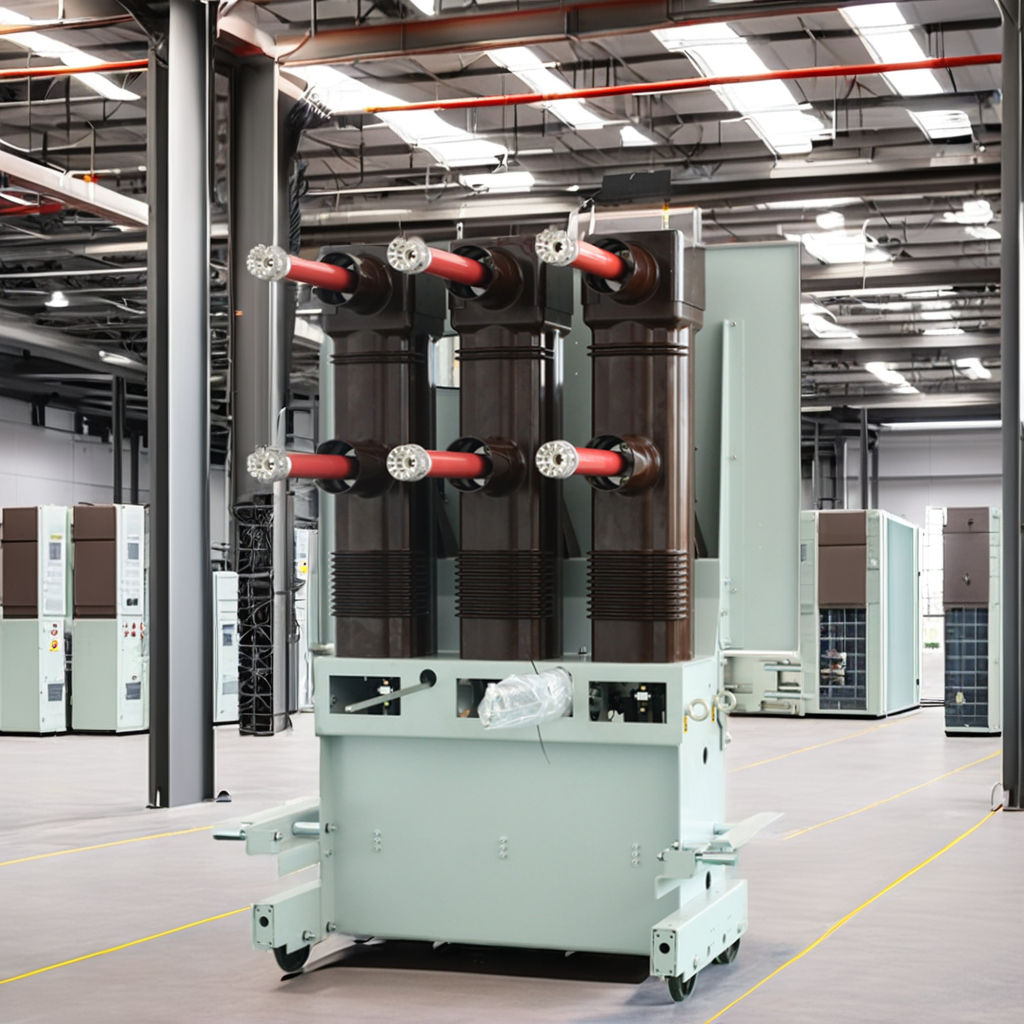
Industrial control appliances form the backbone of modern manufacturing and automation systems. These specialized devices ensure precise control, monitoring, and regulation of industrial processes across various sectors including manufacturing, energy, and transportation.
Key Features of Our Industrial Control Appliances:
- Rugged Construction: Built to withstand harsh industrial environments with IP65-rated enclosures
- Advanced Processing: High-speed processors for real-time control applications
- Multi-Protocol Support: Compatibility with MODBUS, PROFINET, EtherCAT, and other industrial protocols
- Expandable I/O: Modular design allows for customized configuration
- Energy Efficient: Optimized power consumption without compromising performance
Technical Specifications
| Model | Processor | I/O Capacity | Operating Temp | Power Supply |
|---|---|---|---|---|
| ICA-2000 | Quad-core 1.8GHz | 32 DI/24 DO | -20°C to 60°C | 24V DC |
| ICA-3000 | Dual-core 2.4GHz | 64 DI/48 DO | -40°C to 70°C | 24V DC/110V AC |
| ICA-5000 | Hexa-core 3.2GHz | 128 DI/96 DO | -40°C to 85°C | 24V DC/110-240V AC |
Communication Protocols Supported
| Protocol | Speed | Max Nodes | Cable Distance |
|---|---|---|---|
| PROFINET | 100 Mbps | 256 | 100m |
| EtherCAT | 100 Mbps | 65535 | 100m |
| MODBUS TCP | 10/100 Mbps | 247 | 100m |
Frequently Asked Questions About Industrial Control Appliances
Q: What maintenance is required for industrial control appliances?
A: Industrial control appliances are designed for minimal maintenance. We recommend quarterly inspections to check for dust accumulation, verifying proper ventilation, and ensuring all connections remain secure. The units feature self-diagnostic capabilities that alert operators to potential issues. For harsh environments, more frequent visual inspections may be necessary.
Q: How do industrial control appliances improve manufacturing efficiency?
A: Industrial control appliances optimize production through precise process control, reducing material waste and energy consumption. They enable faster response times to process variations compared to manual control, typically improving throughput by 15-25%. Advanced models incorporate predictive algorithms to anticipate maintenance needs, preventing unplanned downtime.
Q: Can industrial control appliances be integrated with existing SCADA systems?
A: Yes, our industrial control appliances support integration with all major SCADA platforms through standard protocols like OPC UA and MODBUS. We provide configuration templates for popular SCADA software packages, and our technical support team can assist with custom integration requirements. The appliances maintain backward compatibility with legacy systems while offering migration paths to modern architectures.
Installation Guidelines
- Mount the unit vertically on a DIN rail or flat surface using provided brackets
- Maintain minimum clearance of 50mm on all sides for proper ventilation
- Use shielded cables for all signal connections and ground at one end only
- Verify power supply stability before initial startup
- Implement proper ESD protection during installation
Application Areas
Industrial control appliances serve critical functions across multiple industries:
| Industry | Typical Applications |
|---|---|
| Manufacturing | Assembly line control, robotic cell coordination, quality inspection systems |
| Energy | Power distribution monitoring, renewable energy systems, substation automation |
| Transportation | Traffic signal control, railway signaling, automated cargo handling |