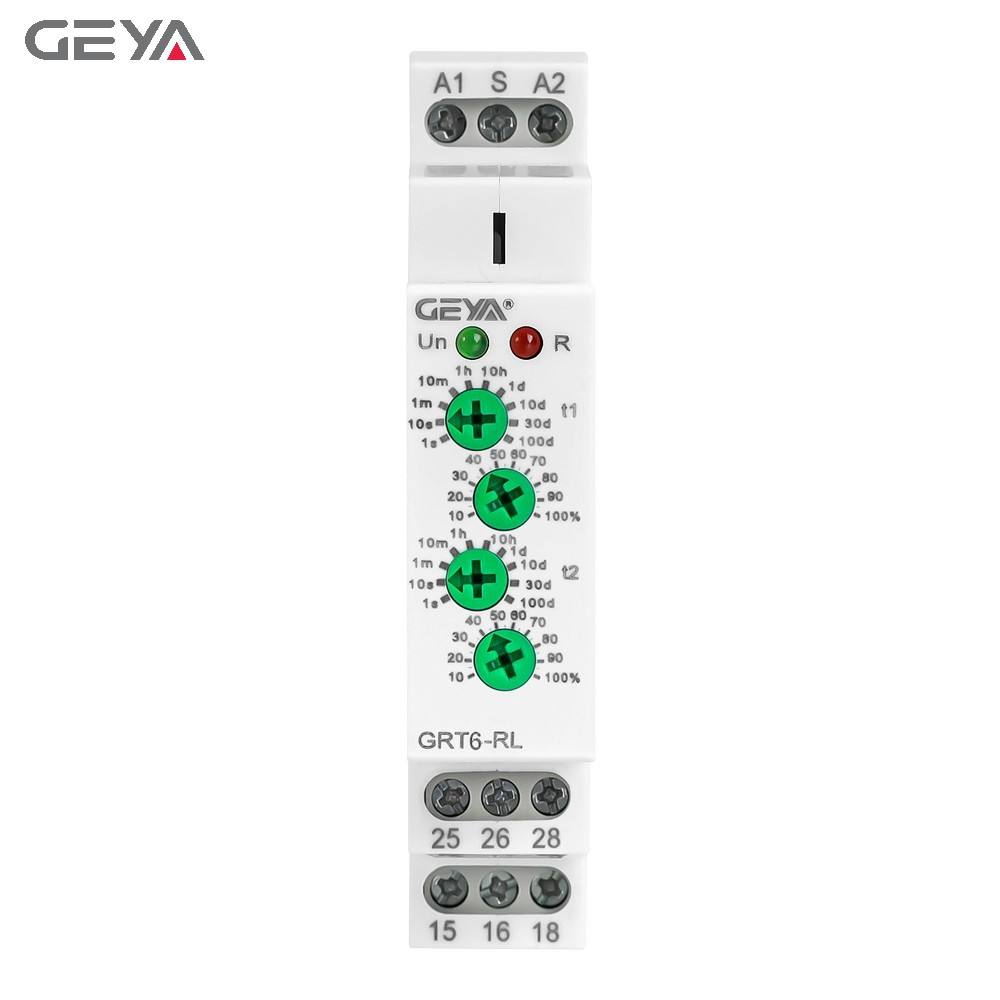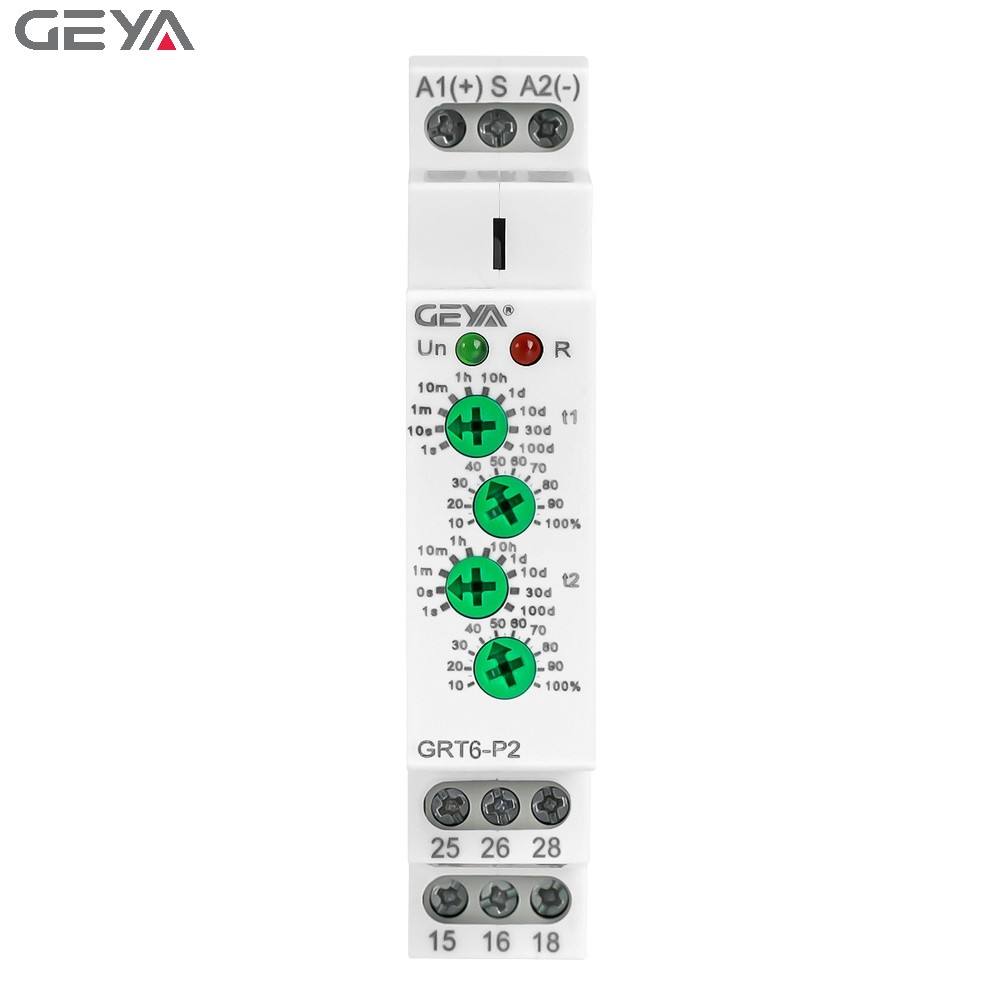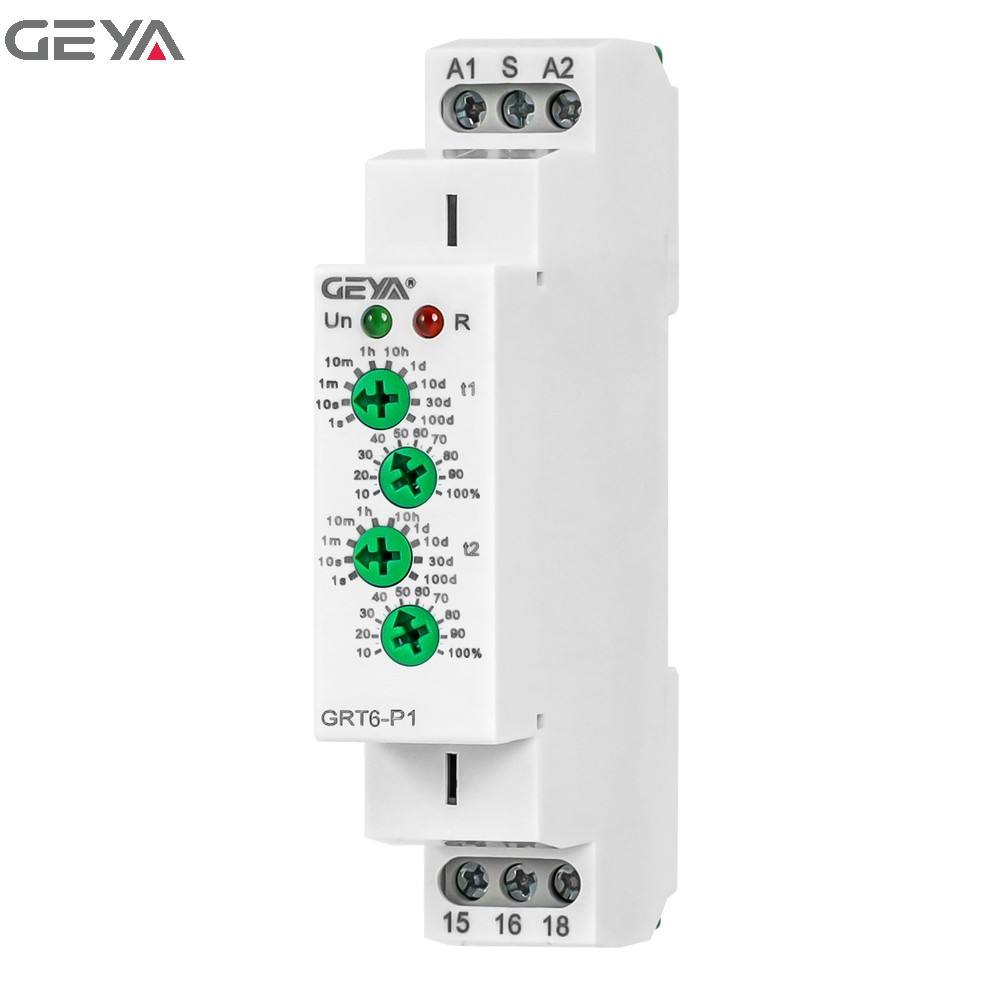
Relay and protection
Relay and Protection: Essential Components for Electrical Safety
Relay and protection systems play a crucial role in safeguarding electrical equipment and preventing costly downtime. These systems detect faults and anomalies in electrical circuits, triggering protective measures to isolate faulty sections before damage occurs.
Key Product Parameters
- Operating Voltage Range: 24V DC to 240V AC
- Contact Rating: Up to 10A at 250V AC
- Response Time: Less than 20 milliseconds
- Insulation Resistance: >100MΩ at 500V DC
- Dielectric Strength: 2500V AC for 1 minute
- Operating Temperature: -40°C to +85°C
- Mechanical Life: 10 million operations minimum
Technical Specifications Comparison
| Model | Current Rating | Contact Form | Coil Power | Certifications |
|---|---|---|---|---|
| RP-101 | 5A | SPDT | 400mW | UL, CE |
| RP-202 | 10A | DPDT | 600mW | UL, CE, RoHS |
| RP-303 | 16A | 3PDT | 800mW | UL, CE, IEC |
| RP-404 | 25A | 4PDT | 1.2W | UL, CE, TUV |
Relay and Protection FAQ Section
What is the primary function of relay and protection systems?
Relay and protection systems serve as the first line of defense in electrical networks. Their primary function is to detect abnormal conditions such as short circuits, overloads, or earth faults and isolate the affected section quickly to prevent equipment damage and ensure personnel safety. These systems continuously monitor electrical parameters like current, voltage, frequency, and phase angle.
How often should relay and protection devices be tested?
Regular testing is crucial for maintaining optimal performance of relay and protection devices. Industry standards recommend annual testing for most applications. However, in critical environments or systems with frequent power quality issues, semi-annual testing may be necessary. Testing procedures typically include calibration checks, contact resistance measurements, insulation resistance tests, and functional operation verification.
Advanced Features
- Built-in surge protection up to 6kV
- LED status indicators for visual monitoring
- Optional communication interfaces (RS485, Ethernet)
- Programmable logic for custom protection schemes
- Event recording capabilities for fault analysis
Installation Considerations
| Factor | Requirement | Recommendation |
|---|---|---|
| Mounting | DIN rail or panel mount | Use insulated mounting for high vibration areas |
| Wiring | Minimum 18 AWG | Use twisted pair for signal wiring |
| Clearance | 50mm minimum | Maintain ventilation space around unit |
| Environment | IP20 standard | Use IP65 enclosures for harsh conditions |
Relay and Protection FAQ Section
What are the common types of relay and protection schemes?
Several protection schemes exist, each designed for specific applications. Overcurrent protection is the most basic, responding to excessive current flow. Differential protection compares current entering and leaving a protected zone. Distance protection measures impedance to detect faults at specific distances. Earth fault protection detects insulation failures. Motor protection relays monitor parameters specific to motors like stall conditions and phase imbalance.
Performance Data
- Accuracy: ±1% of setting for most parameters
- Reset Ratio: Typically 95-98% of pickup value
- Operating Time: <1 cycle for instantaneous elements
- Reset Time: <25ms for most models
- Withstand Rating: 100x rated current for 1 second
Application Guide
| Application | Recommended Model | Key Features Needed |
|---|---|---|
| Industrial Control | RP-101 | Basic overcurrent protection |
| Power Distribution | RP-202 | Directional protection, time delays |
| Motor Protection | RP-303 | Thermal modeling, start inhibit |
| Generator Protection | RP-404 | Loss of excitation, reverse power |
Relay and Protection FAQ Section
How do modern relay and protection devices differ from traditional electromechanical relays?
Modern microprocessor-based relay and protection devices offer significant advantages over traditional electromechanical types. They provide greater accuracy (typically ±0.5% vs ±5%), programmable settings, multiple protection functions in one unit, self-test capabilities, event recording, and communication capabilities. Digital relays also have lower maintenance requirements, better immunity to vibration, and often include advanced features like harmonic monitoring and power quality analysis.
Maintenance Guidelines
- Visual inspection every 6 months
- Contact resistance measurement annually
- Firmware updates as recommended by manufacturer
- Calibration verification every 2 years
- Complete functional test after any system modification
Relay and protection systems represent a critical investment for any electrical infrastructure. By carefully selecting the appropriate devices based on application requirements and following proper installation and maintenance practices, system reliability and safety can be significantly enhanced.