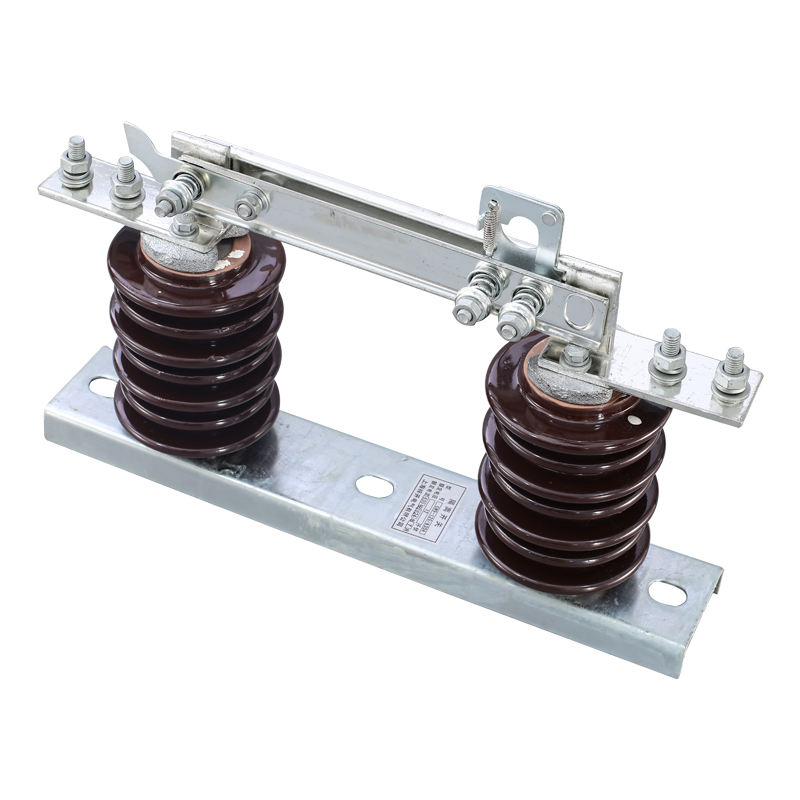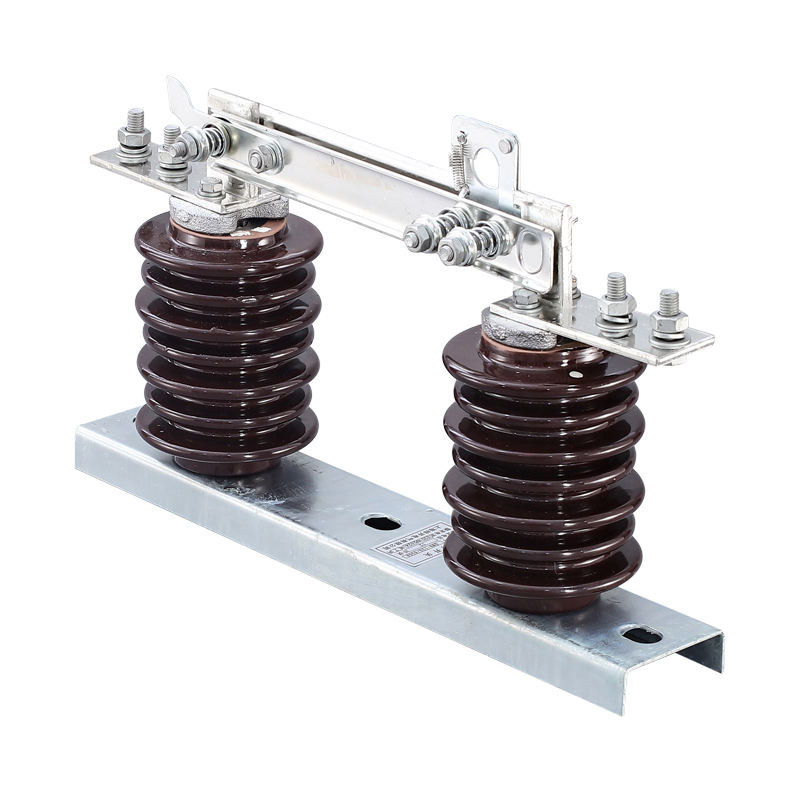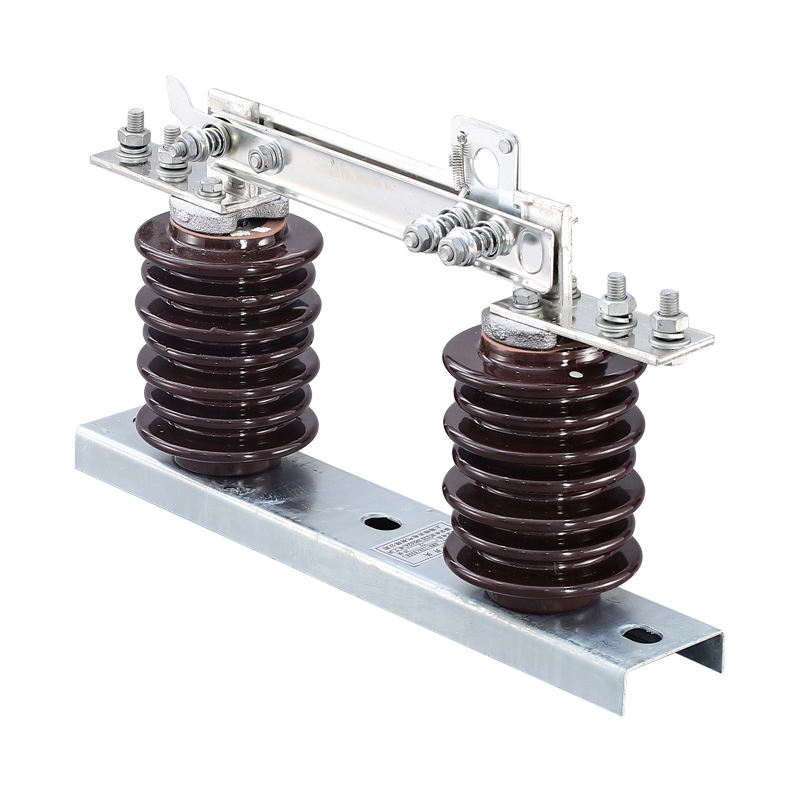
Isolating switch
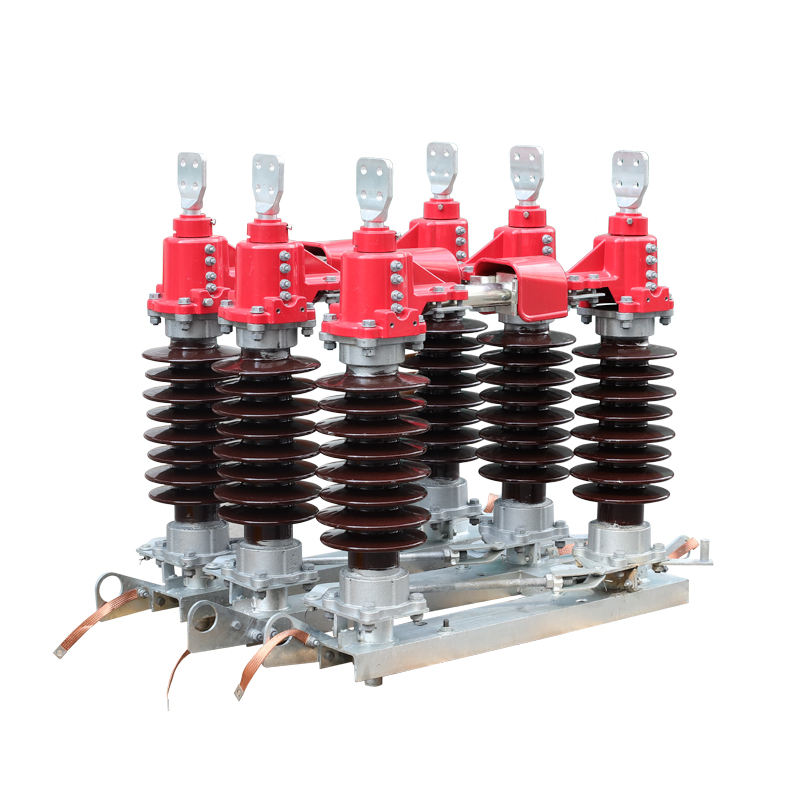
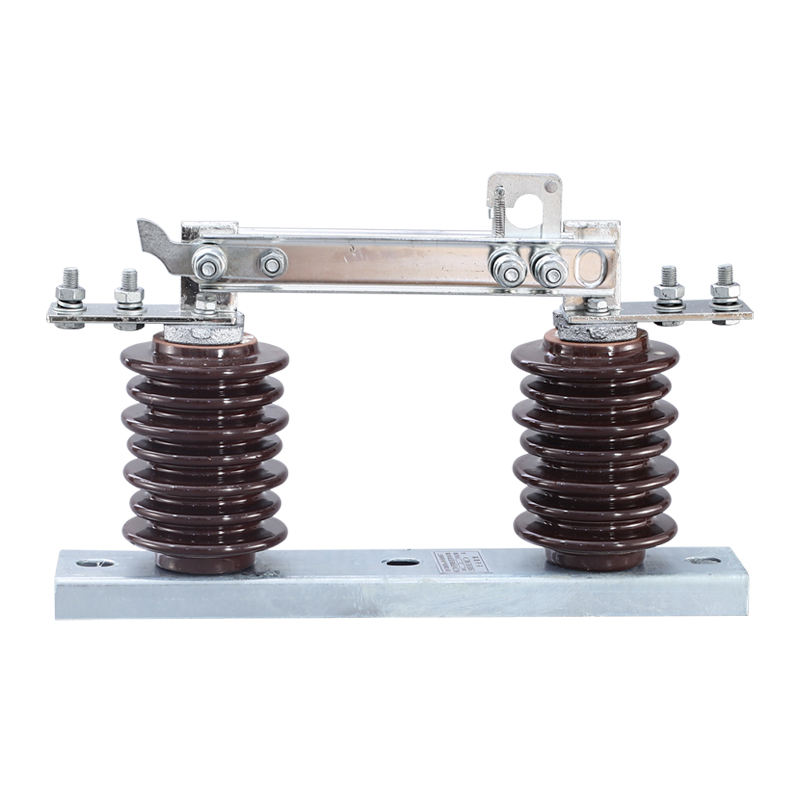
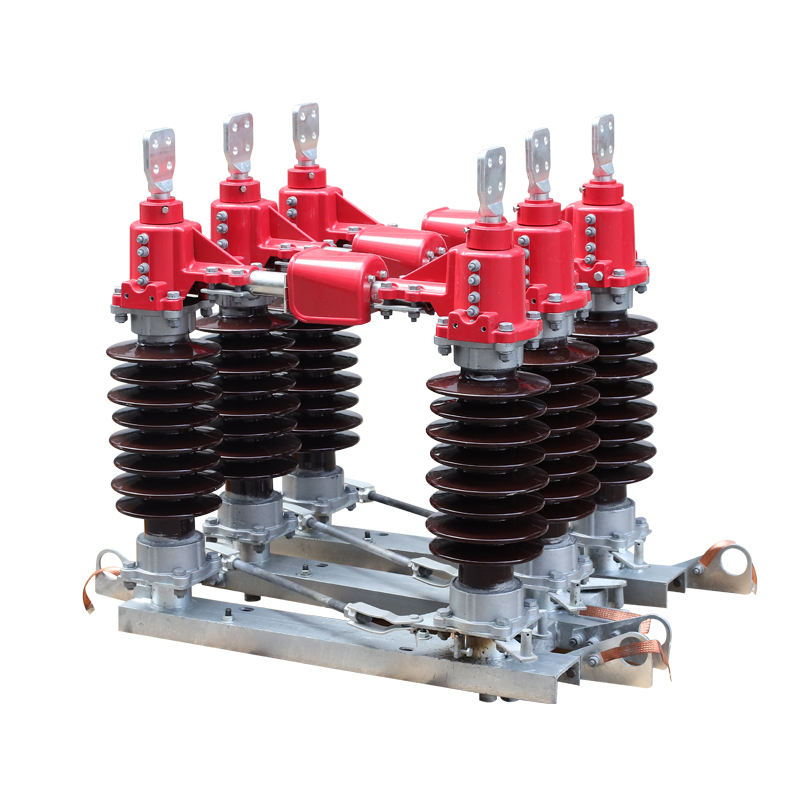
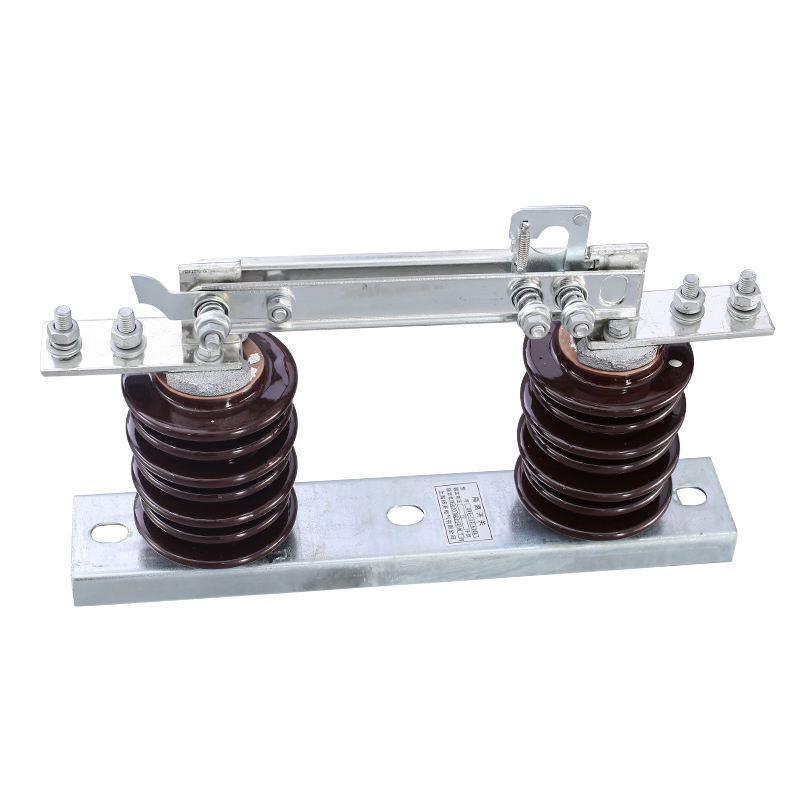
An isolating switch is a crucial electrical component designed to safely disconnect electrical circuits for maintenance, repair, or emergency purposes. As industry leaders, we provide high-quality isolating switches that meet international safety standards and deliver reliable performance in various industrial and commercial applications.
Key Features of Our Isolating Switch
- Robust construction with durable materials for long-term reliability
- Available in multiple voltage ratings from 240V to 1000V
- Current ratings ranging from 16A to 1600A to suit different applications
- Optional padlock facility for enhanced safety during maintenance
- Visible contact position indicator for easy status verification
- IP65 protection rating for dust and water resistance
Technical Specifications
| Parameter | Specification |
|---|---|
| Rated Voltage | 240V-1000V AC |
| Rated Current | 16A-1600A |
| Breaking Capacity | Up to 100 kA |
| Mechanical Life | 10,000 operations |
| Electrical Life | 1,000 operations at full load |
| Temperature Range | -25°C to +70°C |
Applications
Our isolating switches are widely used in:
- Industrial power distribution systems
- Commercial building electrical installations
- Renewable energy systems
- Motor control centers
- HVAC systems
FAQ About Isolating Switch
What is the main purpose of an isolating switch?
An isolating switch is primarily used to physically disconnect electrical equipment from its power source, ensuring complete electrical isolation for safe maintenance or repair work. It provides a visible break in the circuit, confirming that no voltage is present downstream of the switch.
How often should isolating switches be tested?
We recommend testing isolating switches at least annually as part of routine electrical maintenance. The test should verify proper operation, contact resistance, and mechanical functionality. In high-use or harsh environments, more frequent testing may be necessary.
Can an isolating switch be used as a circuit breaker?
No, an isolating switch is not designed to interrupt fault currents like a circuit breaker. It should only be operated when the circuit is de-energized or under no-load conditions. For circuit protection, it must be used in conjunction with appropriate protective devices.
Installation Guidelines
Proper installation of your isolating switch ensures optimal performance and safety:
- Install in a clean, dry location with adequate ventilation
- Maintain minimum clearance distances as specified in the manual
- Use appropriate torque values when tightening connections
- Verify proper operation before energizing the system
Maintenance Requirements
| Maintenance Task | Frequency |
|---|---|
| Visual inspection | Quarterly |
| Contact resistance measurement | Annually |
| Mechanical operation test | Bi-annually |
| Terminal tightening check | Annually |
Safety Considerations
When working with isolating switches:
- Always follow lockout/tagout procedures
- Verify de-energization with appropriate testing equipment
- Use proper personal protective equipment
- Ensure only qualified personnel operate the equipment