Knife switch
High-Quality Knife Switch for Electrical Applications
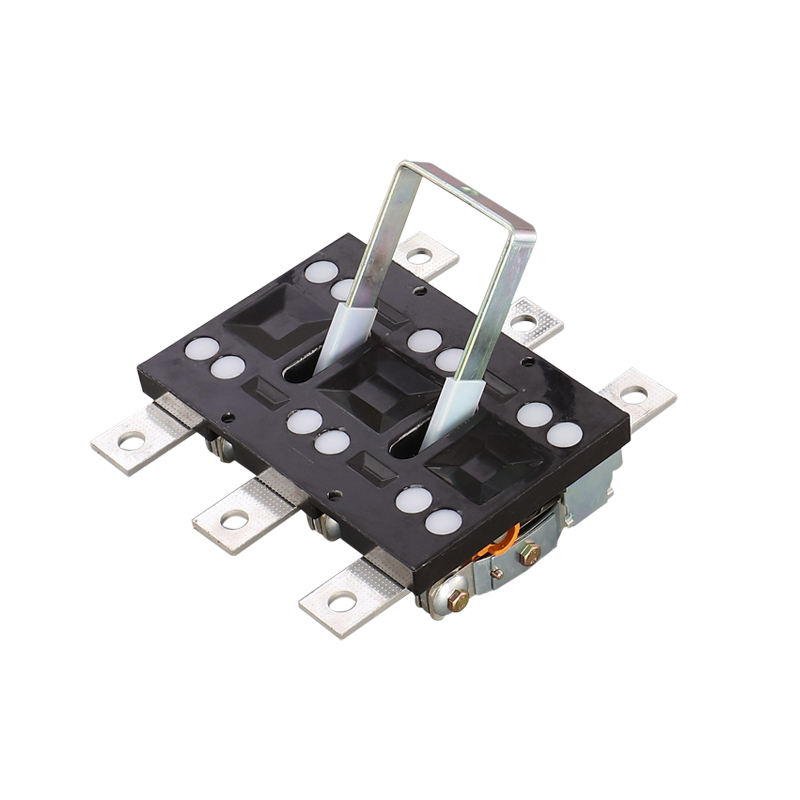
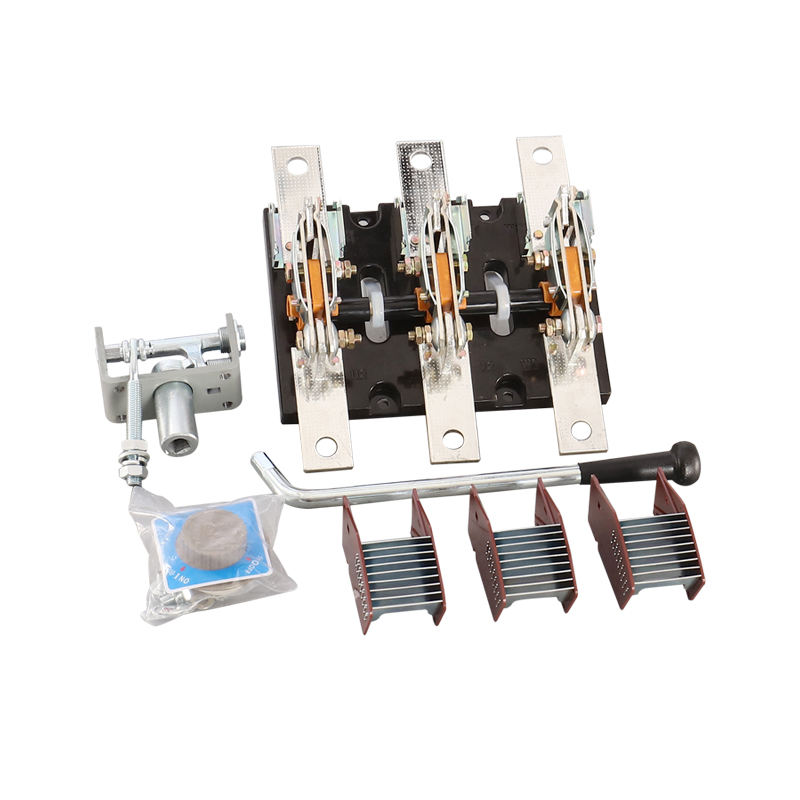
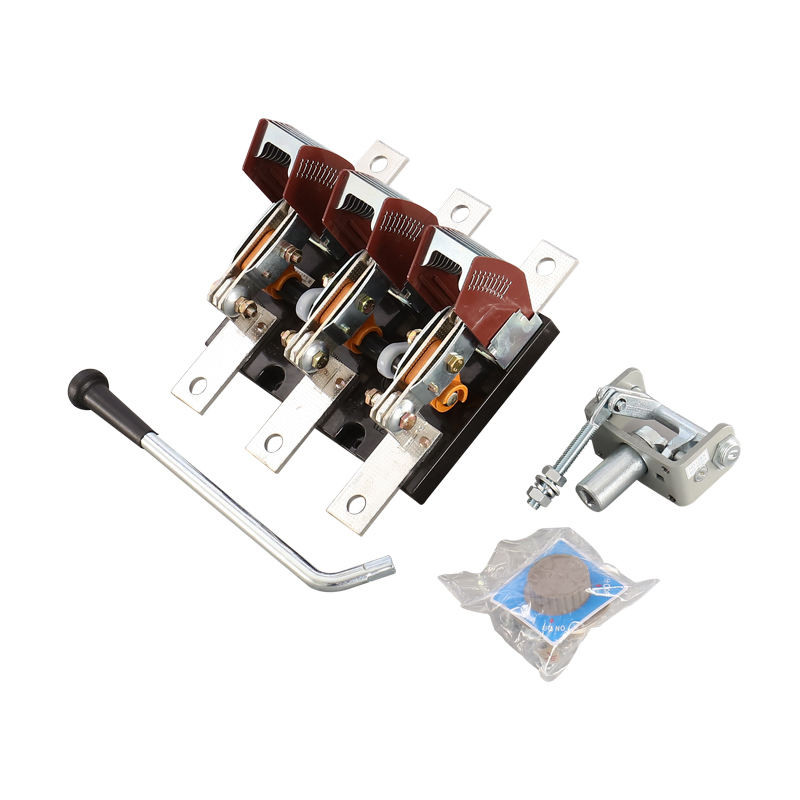
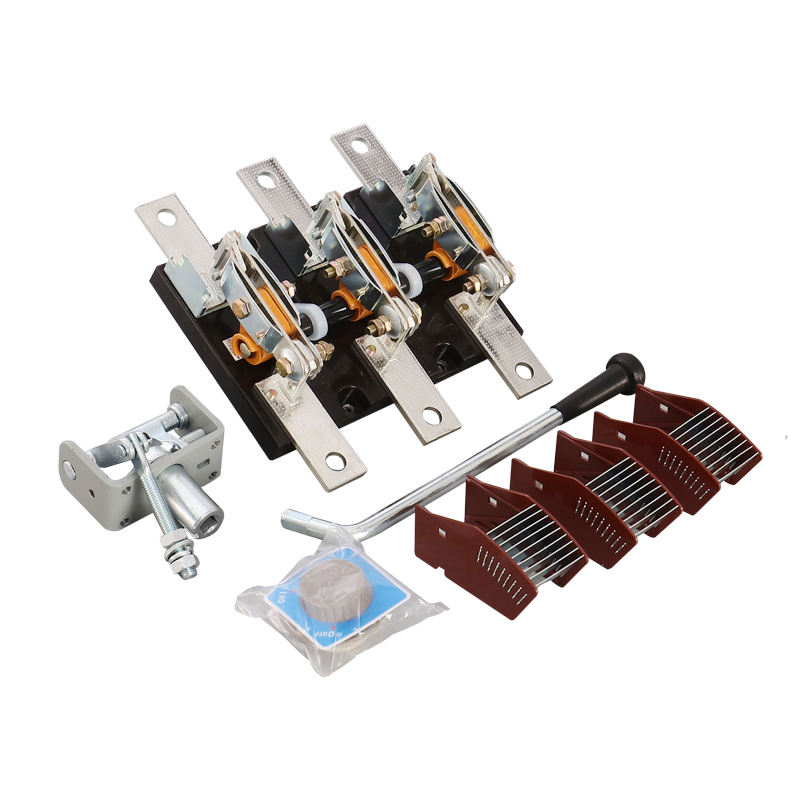
The knife switch remains one of the most reliable and fundamental components in electrical systems. Our premium knife switches are engineered for superior performance, durability, and safety in various industrial and commercial applications.
Key Features
- Heavy-duty copper contacts for optimal conductivity
- Precision-engineered stainless steel blades
- High-temperature resistant phenolic housing
- Visible break design for easy status verification
- Multiple mounting options for versatile installation
Technical Specifications
| Parameter | Specification |
|---|---|
| Rated Voltage | 240V AC / 600V DC |
| Current Rating | 30A, 60A, 100A, 200A options |
| Contact Material | Electrolytic copper with silver plating |
| Insulation Resistance | >100MΩ at 500VDC |
| Mechanical Life | 50,000 operations minimum |
| Operating Temperature | -40°C to +85°C |
| Certifications | UL, CE, RoHS compliant |
Knife Switch Applications
Our knife switches are ideal for:
- Electrical power distribution panels
- Industrial control circuits
- Motor control centers
- Laboratory equipment
- Educational electrical training systems
Knife Switch FAQ Section #1
What is the difference between single-throw and double-throw knife switches?
A single-throw knife switch connects the circuit to either an open or closed position. A double-throw knife switch can connect the circuit to one of two different circuits, functioning as a changeover switch. The double-throw design offers more flexibility but requires more space for installation.
Installation Guide
- Ensure power is completely disconnected before installation
- Select appropriate mounting location with proper clearance
- Secure the knife switch base firmly using provided hardware
- Connect wires according to terminal markings
- Verify proper blade movement and contact alignment
- Test operation with reduced voltage before full power application
Maintenance Recommendations
| Maintenance Task | Frequency | Procedure |
|---|---|---|
| Contact cleaning | Every 6 months | Use electrical contact cleaner and lint-free cloth |
| Mechanical inspection | Quarterly | Check for loose hardware and smooth blade operation |
| Insulation check | Annually | Measure insulation resistance with megohmmeter |
Knife Switch FAQ Section #2
Can knife switches be used as emergency disconnects?
Yes, knife switches can serve as effective emergency disconnects when properly rated for the application. They must be:
- Clearly labeled as emergency disconnects
- Easily accessible in emergency situations
- Rated for the maximum available fault current
- Installed in visible and recognizable locations
Safety Considerations
- Always de-energize circuits before working with knife switches
- Wear appropriate PPE including insulated gloves when operating under load
- Never bypass safety guards or enclosures
- Ensure proper arc flash protection for high-current applications
- Regularly inspect for signs of overheating or arcing
Knife Switch FAQ Section #3
How do I select the right knife switch for my application?
Consider these key factors when selecting a knife switch:
1. Voltage rating: Must exceed your system voltage
2. Current rating: Should handle normal load current and potential surges
3. Number of poles: Match to your circuit requirements
4. Mounting style: Panel, DIN rail, or through-panel mounting
5. Environmental conditions: Consider moisture, temperature, and corrosive elements
6. Safety requirements: Look for appropriate certifications
Available Models
| Model Number | Current Rating | Poles | Throw Type | Special Features |
|---|---|---|---|---|
| KS-30SP | 30A | 1 | Single | Basic industrial |
| KS-60DP | 60A | 2 | Double | Fused disconnect |
| KS-100TP | 100A | 3 | Single | High-voltage |
| KS-200SP | 200A | 1 | Single | Heavy-duty industrial |