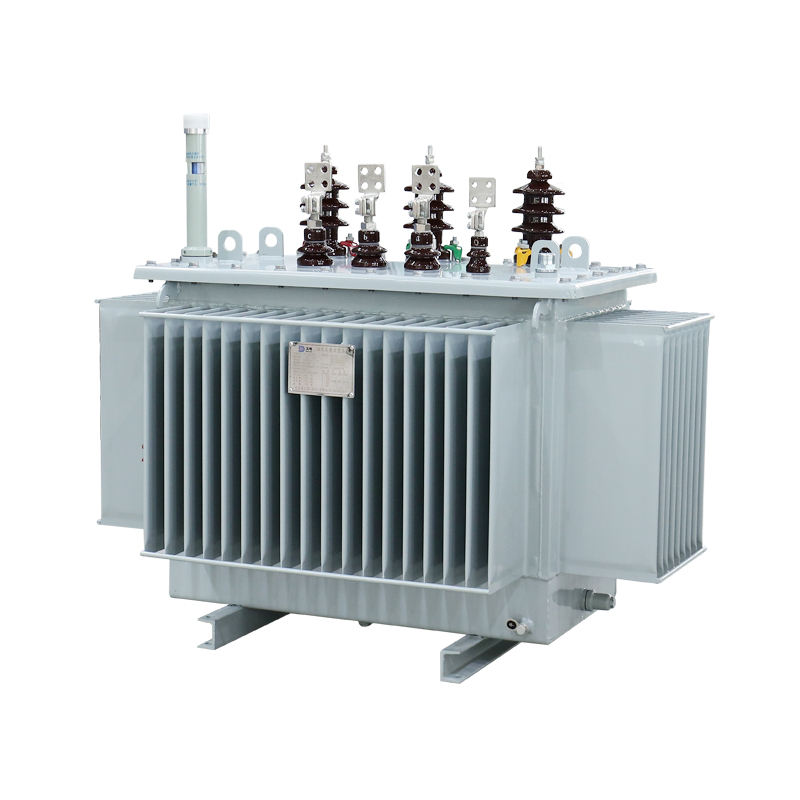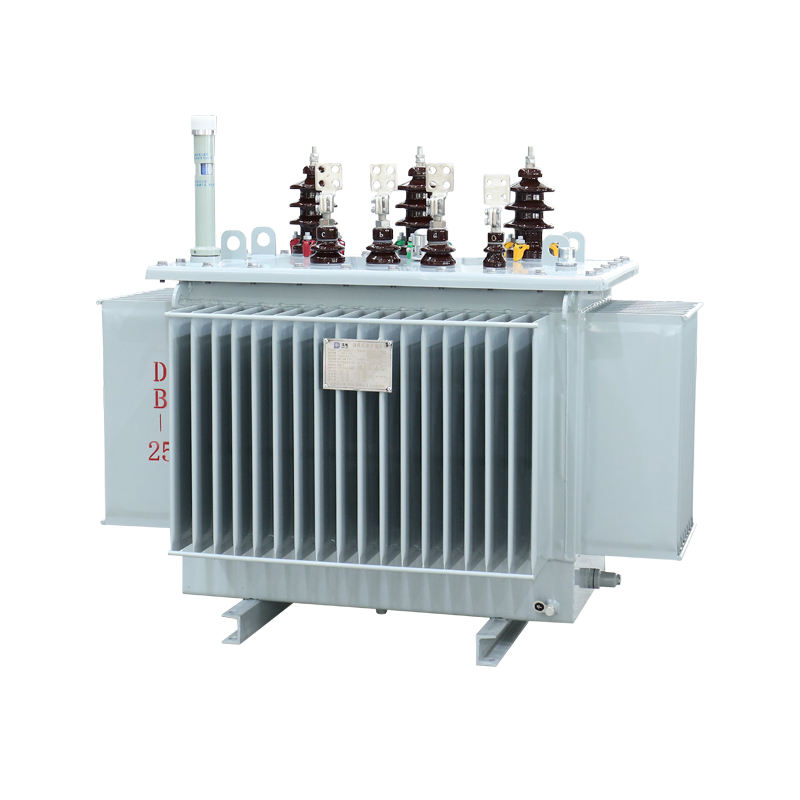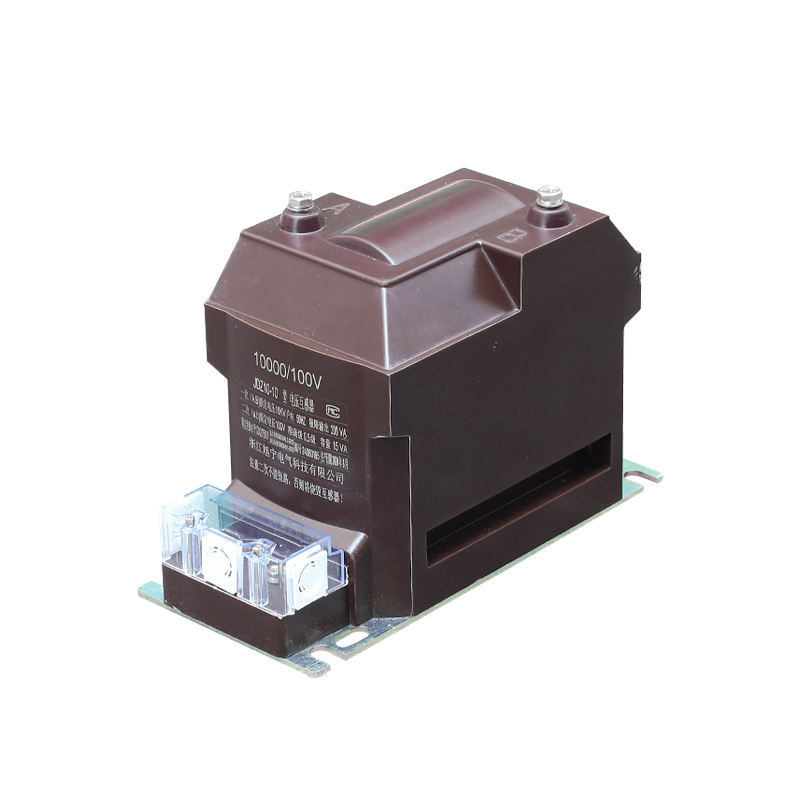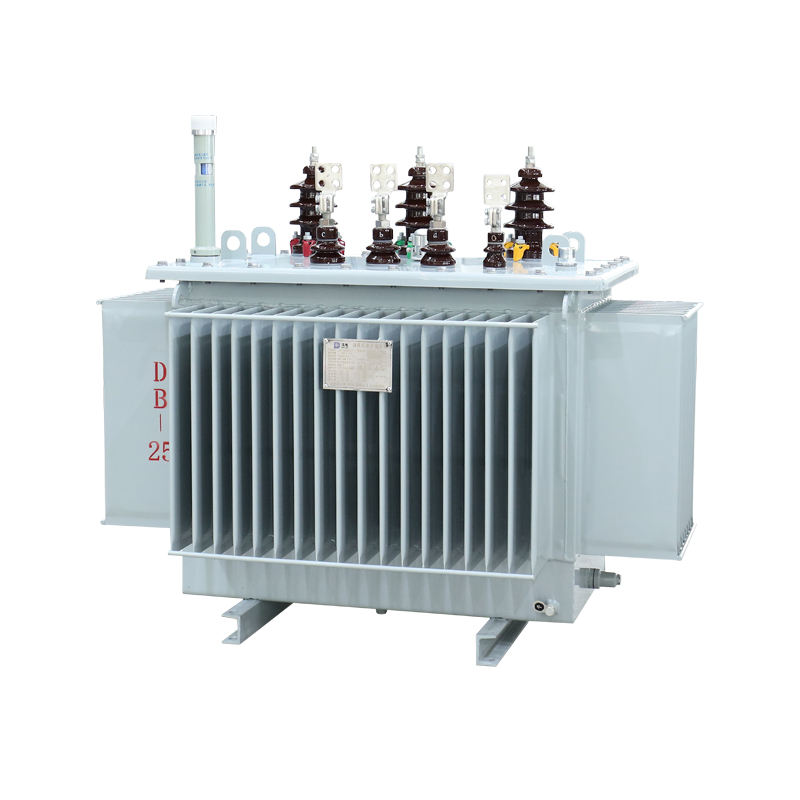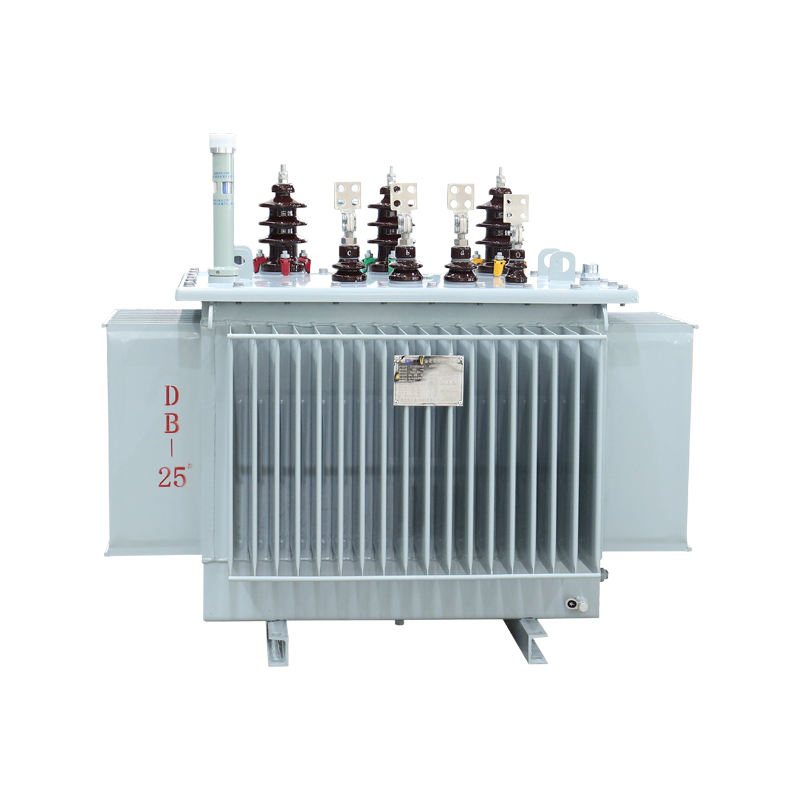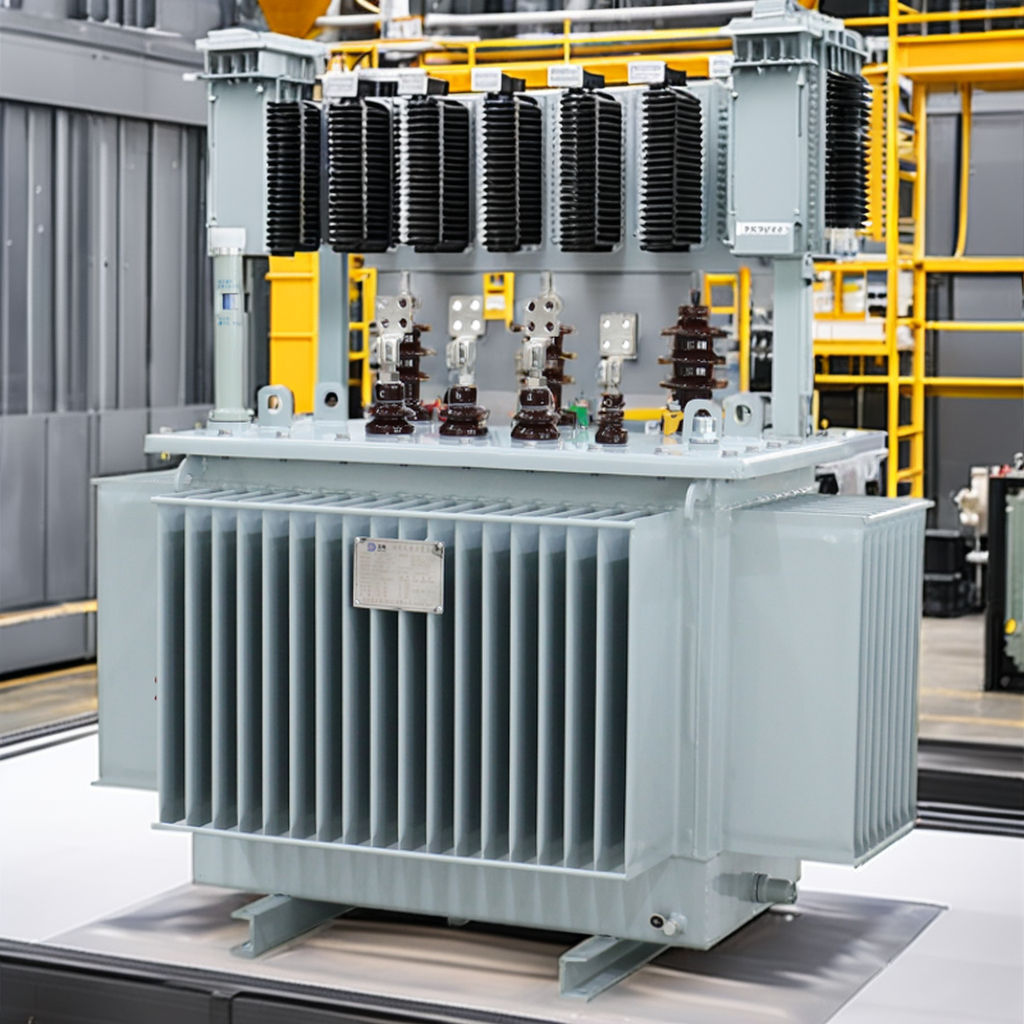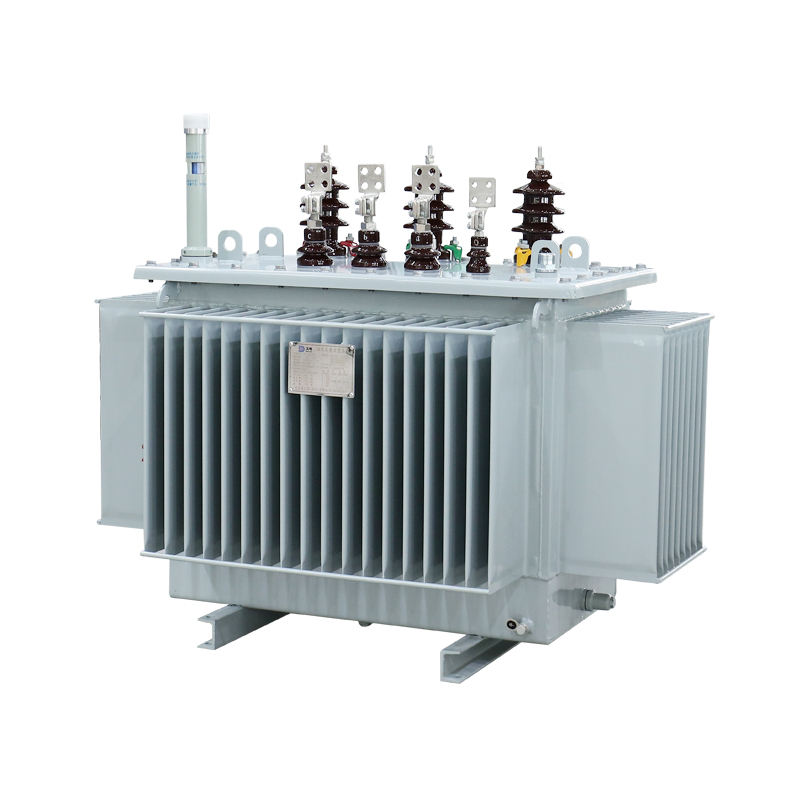
Transformer raw materials
When it comes to high-performance electrical components, Transformer raw materials play a crucial role in ensuring efficiency, durability, and safety. Whether you're in power distribution, industrial applications, or renewable energy systems, selecting the right transformer materials is essential for long-term reliability.
Key Parameters of Transformer Raw Materials
- Core Materials: High-grade silicon steel with low hysteresis loss
- Insulation Materials: Class F or H insulation for thermal stability
- Conductor Materials: Oxygen-free copper or high-conductivity aluminum
- Dielectric Strength: Minimum 30kV/mm for optimal insulation
- Thermal Class: Rated for continuous operation at 155°C (Class F) or 180°C (Class H)
| Material Type | Standard Specification | Key Advantages |
|---|---|---|
| CRGO Steel | M-4, M-5, or M-6 Grade | Low core loss, high permeability |
| Copper Conductor | IEC 60228 Class 2 | Excellent conductivity, high thermal capacity |
| Nomex Insulation | IEEE Std 1276 | Superior thermal and mechanical properties |
Frequently Asked Questions About Transformer Raw Materials
Q: What factors should be considered when selecting Transformer raw materials?
A: When choosing Transformer raw materials, consider these critical factors: electrical properties (resistivity, dielectric strength), thermal characteristics (maximum operating temperature, thermal conductivity), mechanical properties (tensile strength, flexibility), and environmental factors (moisture resistance, chemical stability). The specific application requirements will determine which parameters are most important for your project.
Q: How do Transformer raw materials impact overall transformer efficiency?
A: Transformer raw materials directly influence efficiency through several mechanisms. High-quality core materials reduce hysteresis and eddy current losses, while premium conductors minimize I²R losses. Superior insulation materials prevent energy losses through dielectric absorption. Using optimized Transformer raw materials can improve efficiency by 0.5-2%, which translates to significant energy savings over the transformer's operational lifetime.
Q: Are there environmentally friendly options for Transformer raw materials?
A: Yes, modern Transformer raw materials include several eco-friendly options. These include biodegradable insulating fluids, recyclable aluminum conductors, and amorphous metal cores that reduce energy consumption. Many manufacturers now offer materials with lower carbon footprints and reduced hazardous substances (RoHS compliant). When specifying Transformer raw materials, look for materials certified under environmental standards like IEC 60076-14 or IEEE C57.152.
Applications of High-Quality Transformer Raw Materials
Premium Transformer raw materials are essential for various applications:
- Power distribution transformers for utilities
- Specialty transformers for renewable energy systems
- Industrial power supply transformers
- High-frequency transformers for electronics
- Traction transformers for railway systems
Industry Standards for Transformer Raw Materials
Quality Transformer raw materials must comply with international standards:
- IEC 60404-8-4 for electrical steel
- ASTM B1/B1M for copper conductors
- IEC 60626 for composite insulating materials
- IEEE Std C57.12.00 for general requirements
- EN 50588-1 for power transformers
Selecting the Right Transformer Raw Materials
Choosing appropriate Transformer raw materials requires balancing multiple factors:
| Consideration | Core Materials | Conductor Materials | Insulation Materials |
|---|---|---|---|
| Cost Efficiency | CRGO Steel | Aluminum | Pressboard |
| High Performance | Amorphous Metal | Oxygen-free Copper | Nomex |
| Special Applications | Nanocrystalline | Superconductors | Silicone Rubber |