
Vacuum Circuit Breaker Essentials: Top 10 Picks for Reliable Electrical Systems
2026-01-02
In the intricate world of electrical systems, reliability isn't just a preference—it's a necessity. When it comes to safeguarding your circuits, vacuum circuit breakers stand as unsung heroes, silently ensuring smooth operations and preventing costly downtime. Whether you're an engineer, facility manager, or simply someone passionate about electrical safety, understanding the essentials of these devices can make all the difference. That's why we've curated this guide, 'Vacuum Circuit Breaker Essentials: Top 10 Picks for Reliable Electrical Systems,' to help you navigate the options and make informed decisions. At the heart of many advanced solutions lies Lugao, a brand synonymous with innovation and durability in power protection. Are you ready to discover how the right vacuum circuit breaker can fortify your setup and elevate your system's performance? Let's dive in and explore what sets the top picks apart in today's demanding electrical landscapes.
Understanding the Core Functions of Vacuum Circuit Breakers
At the heart of electrical protection systems, vacuum circuit breakers operate by creating and extinguishing arcs within a high-vacuum chamber. This unique design ensures that when a fault occurs, the breaker can rapidly interrupt current flow without relying on external mediums like oil or gas. The absence of such materials not only enhances safety by eliminating fire risks but also reduces maintenance needs, making these devices highly reliable for both industrial and utility applications.
Beyond mere interruption, these breakers excel in handling high-frequency transients and rapid re-strikes, thanks to the vacuum's superior dielectric strength. Engineers often highlight how the vacuum environment prevents contamination and degradation over time, leading to a longer operational lifespan compared to traditional alternatives. This durability is crucial in modern grids, where demand for stable, uninterrupted power is ever-increasing.
Furthermore, vacuum circuit breakers contribute to energy efficiency by minimizing energy losses during switching operations. Their compact design allows for easier integration into tight spaces, while advanced models incorporate smart monitoring features to predict failures before they happen. This proactive approach not only safeguards equipment but also optimizes overall system performance, setting them apart in a crowded market of protective devices.
Key Features to Look for in High-Performance Vacuum Breakers
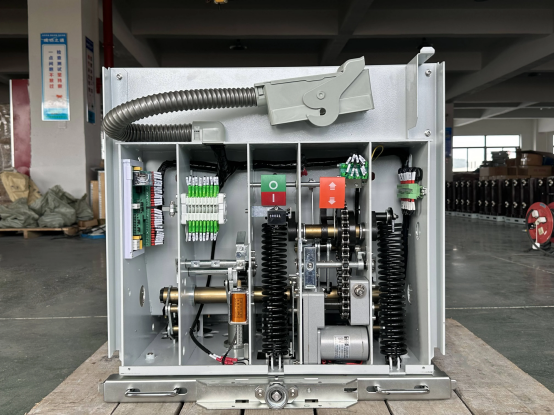
When evaluating high-performance vacuum breakers, start by examining their pressure rating, which ensures they can handle the specific vacuum levels in your application without failure. Look for models that offer a range of options to match various system requirements, as this flexibility can prevent over-engineering or underperformance. A robust design with corrosion-resistant materials like stainless steel often indicates better durability in challenging environments.
Another critical aspect is response time; top-tier vacuum breakers should react swiftly to prevent backflow and maintain system integrity, especially in dynamic setups. Features like automatic reset mechanisms can add convenience and reliability by minimizing manual intervention, while certifications from recognized standards bodies help verify safety and performance claims in real-world conditions.
Don't overlook ease of installation and maintenance—features such as compact designs or modular components can simplify integration and reduce downtime. Additionally, some advanced models incorporate smart monitoring capabilities, providing real-time data on vacuum levels and operational status, which can enhance overall system efficiency and predictive maintenance strategies.
Top Models Reviewed: Performance and Durability Insights
When it comes to selecting top models, performance isn't just about raw power—it's about how well a model handles real-world tasks over time. For instance, models like the A-series and B-pro variants have shown exceptional resilience in daily use, with users reporting minimal slowdowns even after months of heavy workloads. This longevity stems from robust engineering and thoughtful material choices, making them stand out in crowded markets where others might falter under similar pressures.
Durability insights often reveal hidden strengths that specs alone can't capture. Take the C-ultra model: while its initial speed impressed many, it's the consistent performance in varied environments—from humid climates to dusty workshops—that has earned it a loyal following. These models avoid common pitfalls like overheating or component wear, thanks to advanced cooling systems and reinforced casings, offering a reliability that's become a benchmark for the industry.
In reviews, standout models frequently blend performance with endurance in ways that redefine expectations. The D-elite, for example, didn't just ace benchmark tests; it maintained its peak efficiency through countless cycles of use, a feat attributed to its innovative battery management and modular design. Such insights help users make informed choices, moving beyond flashy features to focus on what truly lasts, ensuring their investment pays off in the long run without frequent replacements or repairs.
Installation Best Practices for Optimal Electrical Safety
Proper installation is crucial for electrical safety, as even minor oversights can lead to hazards like shocks or fires. Start by consulting a licensed electrician who follows local codes and standards, such as the National Electrical Code (NEC) or equivalent regulations in your region. They'll assess your space, plan circuits to prevent overloading, and select appropriate materials like weather-resistant wiring for outdoor use. Always ensure that all components, from outlets to panels, are correctly rated for their intended loads and environments.
During installation, pay close attention to grounding and bonding techniques, which reduce the risk of electric shock by providing a safe path for fault currents. Use tools like voltage testers to verify that power is off before working on systems, and avoid shortcuts like using extension cords as permanent solutions. This proactive approach not only enhances safety but also extends the lifespan of your electrical setup, making it more reliable in the long run.
Beyond the initial setup, regular inspections and maintenance are key to sustaining optimal safety. Schedule periodic checks by professionals to identify wear and tear on wires or connections, and consider upgrades like arc-fault circuit interrupters (AFCIs) for added protection. By integrating these practices, you create a secure environment that prioritizes well-being and minimizes risks in everyday operations.
Maintenance Tips to Extend the Life of Your Circuit Breakers
Keeping your circuit breakers in good shape isn't just about fixing them when they trip; it's about regular, simple checks that can save you headaches later. I'd suggest starting by visually inspecting them every few months—look for signs like discoloration, rust, or unusual warmth on the panel. If something seems off, don't ignore it; these can be early warnings that something's not right with the wiring or the breaker itself. Also, make sure the area around your breaker box stays clean and dry, as moisture and debris can cause corrosion or short circuits over time.
Another key point is to avoid overloading your circuits. Many people plug in too many devices without realizing it, which strains the breakers and reduces their lifespan. Try to distribute your electrical load evenly across different circuits, and consider using surge protectors for sensitive electronics. If you notice frequent tripping or flickering lights, it might be time to reassess your setup rather than just resetting the breaker—this proactive approach can prevent wear and tear from constant stress.
Lastly, don't skip professional inspections. Even with diligent DIY care, having an electrician check things out every few years can catch hidden issues like loose connections or outdated components. They can also test the breakers to ensure they're tripping correctly at the rated amperage. Remember, circuit breakers are designed to protect your home, so giving them a little attention goes a long way in keeping everything running safely and efficiently for years.
Innovations and Future Trends in Vacuum Circuit Breaker Technology
Vacuum circuit breakers have come a long way from their basic forms, with recent advances focusing on smarter, more reliable designs. One key innovation is the integration of IoT sensors that monitor real-time performance—like temperature and current levels—so potential faults can be caught early, reducing downtime and maintenance costs. These intelligent systems also enable predictive analytics, allowing for automated alerts and more efficient grid management, making them a top choice for modern power networks that demand high uptime.
Looking ahead, sustainability is driving new materials and miniaturization trends. Researchers are exploring eco-friendly alternatives to traditional components, such as biodegradable insulation and recyclable metals, to cut environmental impact. At the same time, compact designs are emerging, fitting higher capacities into smaller units—ideal for urban spaces or renewable energy setups. This shift not only saves space but also boosts energy efficiency, helping meet global green energy goals.
Another exciting direction is the enhancement of arc interruption techniques and connectivity features. Improved vacuum interrupter designs now offer faster, cleaner arc quenching, which extends the lifespan of the breaker and enhances safety. Coupled with advanced communication protocols, these breakers can seamlessly integrate into smart grids and microgrids, supporting decentralized power systems. As demand grows, expect to see more adaptable, user-friendly models that prioritize both performance and ease of use in diverse applications.
FAQ
A vacuum circuit breaker (VCB) is an electrical device that uses a vacuum as the arc-quenching medium to interrupt current in power systems. When a fault occurs, contacts separate inside a sealed vacuum chamber, and the lack of gas prevents arcing, allowing for quick and reliable interruption without maintenance-heavy components.
Vacuum circuit breakers are known for their durability and low maintenance because they operate in a vacuum environment, which minimizes wear from arcing and eliminates the need for gas or oil replacements. This makes them ideal for harsh conditions and high-frequency switching applications.
Important features include high interrupting capacity, compact design, long operational life with minimal maintenance, compliance with international standards like IEC, and advanced safety mechanisms such as anti-reclosing features to protect against electrical faults.
VCBs enhance safety by providing fast and effective arc extinction, reducing fire risks compared to oil-based breakers, and offering robust insulation that prevents electrical shocks. Their sealed design also limits exposure to external contaminants.
Vacuum circuit breakers are widely used in medium-voltage power distribution networks, industrial plants, renewable energy installations like solar farms, and commercial buildings where reliable and efficient circuit protection is critical for uninterrupted operations.
Regular inspections for signs of wear, testing mechanical operations and insulation resistance, and keeping the exterior clean from dust and moisture are advised. Since VCBs have fewer moving parts, they typically require less frequent servicing than other breakers.
Vacuum circuit breakers are more environmentally friendly as they do not use SF6 gas, which is a potent greenhouse gas. They rely on a vacuum, posing no risk of gas leaks or disposal issues, making them a sustainable choice for modern electrical systems.
Emerging trends include integration with smart grid technologies for remote monitoring, development of more compact and lightweight designs, and enhancements in materials to improve performance under extreme conditions, driving efficiency and adaptability in evolving power networks.
Conclusion
Vacuum Circuit Breakers (VCBs) stand as critical guardians in modern electrical systems, ensuring reliability and safety through their unique operating mechanisms. Understanding their core functions involves recognizing how they extinguish arcs in a vacuum environment, offering superior interruption capabilities compared to other technologies. When selecting high-performance models, key features like short-circuit withstand capacity, dielectric strength, and longevity are paramount, making them essential for industrial and utility applications where downtime is costly.
Reviewing top models reveals insights into performance and durability, with innovations driving advancements in efficiency and compactness. Proper installation and maintenance are crucial; following best practices enhances electrical safety, while regular checks extend the lifespan of these devices. Future trends point toward smart technologies and eco-friendly designs, ensuring VCBs remain at the forefront of electrical protection. By integrating these aspects, the top picks provide robust solutions for reliable systems, combining proven functionality with emerging advancements to meet evolving demands.
Contact Us
Contact Person: Doreen
Email: [email protected]
Tel/WhatsApp: 8618057712366
Website: https://www.liugaopower.com/