
Optimizing Drop-Out Fuses in China: Key Innovations and Solutions for Electrical Safety
2026-01-07
In the evolving landscape of electrical safety across China, the optimization of drop-out fuses has become a critical frontier for innovation. These devices, often overlooked, play a pivotal role in preventing power outages and safeguarding infrastructure from faults. This blog delves into the latest advancements and practical solutions that are transforming this essential component, with insights tailored to engineers and industry professionals. At the forefront of these developments is Lugao, a leader committed to enhancing reliability and efficiency through cutting-edge technology. Join us as we explore how these innovations not only meet stringent safety standards but also drive operational excellence, setting new benchmarks in the field. Discover what makes these solutions indispensable for modern electrical systems and why staying informed can empower your projects.
Advanced Drop-Out Fuse Design Enhancements for Improved Safety in China
Recent advancements in drop-out fuse technology within China have focused on integrating more durable materials and precision engineering to significantly reduce failure rates in high-voltage applications, ensuring that these critical components withstand harsh environmental conditions and operational stresses.
By leveraging smart monitoring systems and innovative arc-quenching mechanisms, the latest designs provide real-time fault detection and faster interruption times, which enhances overall grid reliability and minimizes potential hazards for utility workers and the public alike.
These improvements not only align with China's stringent safety standards but also set a benchmark for global electrical infrastructure, showcasing how targeted innovation can drive safer, more efficient power distribution networks.
Innovative Materials and Construction Techniques in Modern Fuses
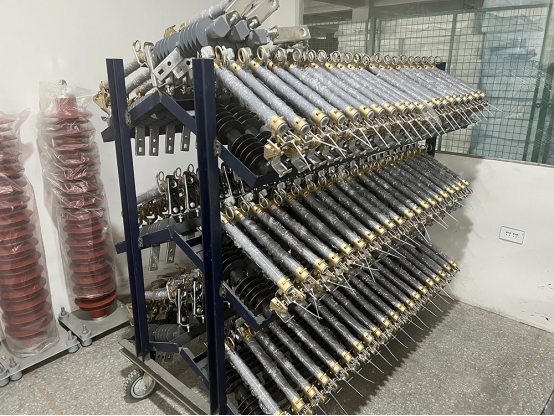
In the realm of modern fuses, the shift towards advanced materials like silver and copper alloys has revolutionized safety and performance. Beyond basic conductivity, these materials are engineered to withstand high temperatures and corrosive environments, ensuring reliable operation in diverse industrial applications. Unlike traditional designs, contemporary fuses incorporate ceramic or polymer housings that not only enhance durability but also provide superior insulation, minimizing the risk of electrical leakage or fire hazards. This focus on resilience and adaptability makes them indispensable in sectors ranging from automotive to renewable energy systems, where precision and longevity are paramount.
Construction techniques have also evolved, with innovations such as additive manufacturing and micro-electromechanical systems (MEMS) enabling more compact and efficient fuse designs. For instance, 3D printing allows for intricate internal structures that optimize current paths and heat dissipation, reducing response times during overloads. These methods facilitate customization, allowing manufacturers to tailor fuses for specific voltage requirements and environmental conditions, a flexibility that sets them apart from off-the-shelf alternatives. By blending high-tech fabrication with robust materials, modern fuses deliver enhanced protection without compromising on space or cost-effectiveness, paving the way for smarter, safer electrical infrastructures.
Moreover, the integration of smart technologies and nanomaterials is pushing the boundaries further. Fuses now often include embedded sensors that monitor real-time parameters like temperature and current flow, enabling predictive maintenance and reducing downtime. The use of nanomaterials, such as graphene composites, offers exceptional strength and electrical properties, allowing for thinner, lighter fuses that maintain high performance. These advancements not only improve safety margins but also support the growing demand for sustainable and energy-efficient solutions, positioning modern fuses as critical components in the evolution towards resilient and intelligent power networks.
Smart Monitoring Systems for Real-Time Fault Detection and Response
In today’s fast-paced industrial environments, smart monitoring systems are becoming the backbone of operational efficiency. These systems leverage advanced sensors and IoT connectivity to continuously track equipment performance and environmental conditions. By processing this data in real-time, they can spot subtle anomalies—like unusual vibrations or temperature spikes—that might signal a fault. This proactive approach allows maintenance teams to address issues before they escalate, minimizing downtime and preventing costly breakdowns. What sets these systems apart is their ability to evolve; machine learning algorithms can learn from past patterns to refine detection accuracy over time, making them smarter with each cycle.
Beyond just detection, these systems excel in enabling rapid response by integrating with automated controls and alert mechanisms. For example, if a fault is identified, the system can immediately trigger actions such as shutting down a machine, adjusting settings, or notifying personnel through mobile alerts. This seamless integration reduces human intervention and speeds up resolution, ensuring that operations can resume quickly and safely. In sectors like manufacturing or energy, where every second counts, this real-time response capability can significantly enhance safety and productivity. It’s not just about catching problems; it’s about orchestrating a swift, coordinated effort to keep everything running smoothly.
The versatility of smart monitoring systems extends to their adaptability across various applications, from predictive maintenance in factories to monitoring critical infrastructure. They can be tailored to specific needs, whether it’s detecting leaks in pipelines or optimizing energy usage in smart buildings. This flexibility allows businesses to scale their fault detection efforts without overhauling existing setups, providing a cost-effective solution that grows with demand. By offering actionable insights and automated responses, these systems empower organizations to stay ahead of potential disruptions, fostering a more resilient and efficient operational landscape.
Cost-Effective Production Methods to Boost Electrical Reliability
Improving electrical reliability doesn't mean you have to break the bank; it's more about smart strategies that streamline processes and reduce downtime. Consider integrating modular designs into your production lines, which allow for easier maintenance and quicker replacements without overhauling entire systems. By using off-the-shelf components where possible and focusing on quality control during assembly, you can cut costs while ensuring consistent performance, ultimately leading to fewer failures and extended equipment lifespan.
Another effective approach is adopting predictive maintenance technologies, such as sensors and data analytics, to identify potential issues before they escalate into costly outages. This proactive method not only saves on emergency repairs but also optimizes resource allocation, making operations more efficient. Pair this with regular training for staff on best practices in handling electrical systems, and you'll see a boost in reliability that stems from both human expertise and technological investment.
To really stand out, explore innovative materials and manufacturing techniques tailored to your specific environmental conditions. For instance, using corrosion-resistant coatings or advanced insulation can prevent common faults in harsh settings, reducing long-term maintenance needs. By customizing solutions rather than relying on one-size-fits-all methods, you create a robust electrical infrastructure that excels in reliability without overspending, setting your projects apart in competitive markets.
Customized Solutions for Diverse Regional Power Grid Challenges
Regions face unique power grid hurdles—from aging infrastructure in urban cores to renewable integration in rural zones. A one-size-fits-all fix often falters. We tailor approaches, considering local energy mixes and geographic constraints, ensuring solutions that stick rather than just scratch the surface.
For coastal areas battling extreme weather, we incorporate resilient designs like smart grids that reroute power around damage. Inland regions with variable renewables benefit from customized storage systems that balance supply and demand without costly overhauls. By focusing on what each area needs most, we enhance reliability and keep costs in check.
Our strategies evolve with regional shifts, adapting to new tech or policy changes. It’s about building grids that work today and can flex tomorrow, turning local challenges into sustainable opportunities.
Sustainable Practices and Environmental Benefits in Fuse Applications
In today's energy-conscious world, fuse applications are evolving to incorporate sustainable practices that significantly reduce environmental impacts. For instance, manufacturers are increasingly adopting eco-friendly materials, such as lead-free alloys and recyclable plastics, in fuse production. By minimizing hazardous substances and enhancing durability, these innovations help curtail waste and pollution. Additionally, optimized designs that lower power consumption during operation contribute to energy efficiency, making fuses not just protective devices but also allies in green initiatives, aligning with global efforts to combat climate change and resource depletion.
Beyond material choices, advanced manufacturing processes play a crucial role in boosting the environmental benefits of fuse applications. Techniques like precision molding and automated assembly reduce material scrap and energy usage, cutting down on carbon footprints. Smart fuses, integrated with monitoring systems, enable proactive maintenance, preventing electrical failures that could lead to energy wastage or hazardous spills. This proactive approach not only extends equipment lifespan but also promotes a circular economy by encouraging reuse and recycling, transforming fuses into key components for sustainable electrical systems that support long-term ecological balance.
Furthermore, the deployment of fuses in renewable energy systems highlights their direct environmental advantages. In solar and wind power installations, fuses protect circuits from overcurrents, ensuring reliable energy production and minimizing downtime. This reliability helps maximize the use of clean energy sources, reducing reliance on fossil fuels and lowering greenhouse gas emissions. By safeguarding these green technologies, fuses contribute to a more resilient and sustainable energy grid, showcasing how even small components can have outsized positive effects on environmental health and global sustainability goals.
FAQ
Drop-out fuses are protective devices used in power distribution systems to interrupt fault currents, preventing equipment damage and fires. In China, they're crucial for safeguarding rural and urban grids, especially in areas prone to overloads or short circuits, by providing reliable isolation during electrical faults.
Recent innovations include smart drop-out fuses with IoT sensors for real-time monitoring, improved arc-quenching materials to enhance performance in harsh conditions, and modular designs for easier maintenance and replacement, reducing downtime and costs in China's expanding power infrastructure.
They tackle challenges like aging infrastructure and extreme weather by incorporating corrosion-resistant coatings, adaptive trip settings for varying loads, and remote operation capabilities, ensuring consistent safety in diverse environments from coastal regions to mountainous areas.
Yes, solutions are shaped by standards such as GB/T 15166 (fuse standards) and national grid codes, which mandate regular upgrades. Compliance focuses on higher interruption ratings and durability, pushing manufacturers to innovate for better reliability and environmental resilience.
Advanced materials like silicon-based composites improve thermal stability and arc extinction, while ergonomic designs with clear indicator mechanisms help technicians quickly identify faults, boosting overall system uptime and reducing accident risks in field operations.
In projects like rural electrification in Sichuan, smart drop-out fuses detected faults early, preventing widespread outages. Similarly, in industrial zones of Guangdong, they've minimized fire hazards by swiftly isolating faults in high-demand circuits, showcasing their impact on grid resilience.
Trends include integration with AI for predictive maintenance, development of eco-friendly fuses with lower environmental impact, and broader adoption in renewable energy systems to manage intermittent power flows, aligning with China's goals for a smarter, greener grid.
While initial costs are higher, long-term savings from reduced maintenance and fewer outages make them viable. Efforts to localize production and scale manufacturing are improving accessibility, especially in remote regions, ensuring widespread benefits for electrical safety.
Conclusion
In progressing electrical safety across China, optimizing drop-out fuses has evolved beyond basic functionality to incorporate advanced design enhancements and innovative materials. These improvements not only bolster reliability but also adapt to diverse regional grid challenges, ensuring customized solutions that address specific infrastructure needs. By integrating durable construction techniques and sustainable practices, the industry reduces environmental impact while maintaining high safety standards, making electrical systems more resilient and eco-friendly.
Further advancements include smart monitoring systems that enable real-time fault detection and rapid response, minimizing downtime and enhancing overall grid stability. Coupled with cost-effective production methods, these innovations boost electrical reliability without compromising affordability. This holistic approach combines safety, efficiency, and environmental benefits, positioning China at the forefront of electrical fuse technology and fostering a safer, more sustainable power infrastructure for the future.
Contact Us
Contact Person: Doreen
Email: [email protected]
Tel/WhatsApp: 8618057712366
Website: https://www.liugaopower.com/