Combiner Box Factory: Top Solutions for Efficient Renewable Energy Systems
2026-01-01
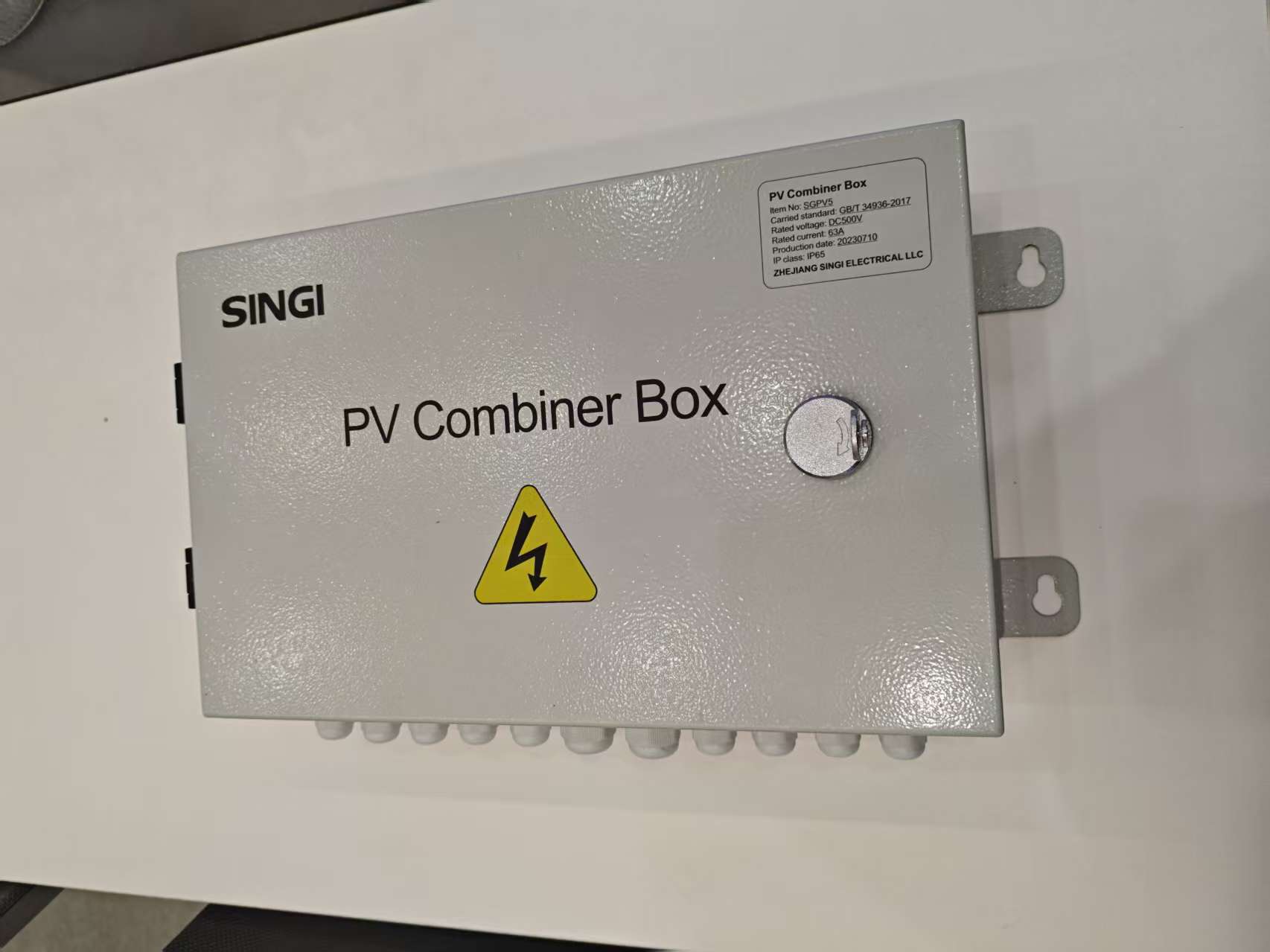
In today's rapidly evolving renewable energy landscape, the humble combiner box is often overlooked—yet it plays a crucial role in system efficiency and reliability. As we explore the top solutions offered by the Combiner Box Factory, we're reminded that even the most innovative technologies depend on robust, well-designed components to achieve peak performance. Here at SINGI, we've seen firsthand how these unassuming boxes can make or break an energy project, and we're excited to dive deeper into what makes them so vital.
Innovative Design Features in Modern Combiner Boxes
Today's combiner boxes have evolved far beyond basic electrical enclosures, incorporating smart features that boost efficiency and safety. For instance, integrated monitoring systems allow real-time tracking of electrical parameters, while modular designs enable easy expansion to accommodate growing solar arrays. These advancements help reduce maintenance costs and enhance system reliability, making them indispensable in modern renewable energy setups.
Another key innovation lies in the use of durable, weather-resistant materials and compact form factors. By employing high-grade plastics and metals, manufacturers ensure long-term performance even in harsh outdoor conditions. Compact designs save valuable installation space, while intuitive interfaces simplify operation for technicians. This focus on practicality and resilience sets new standards for combiner boxes in solar and wind applications.
Emerging technologies like wireless connectivity and predictive analytics are further transforming combiner boxes. With wireless modules, users can remotely access data and control functions via mobile apps. Predictive features analyze historical performance to flag potential issues before they cause downtime. These cutting-edge additions not only improve user convenience but also contribute to smarter, more sustainable energy management overall.
Enhancing Energy Yield through Advanced Integration Techniques
Harnessing maximum energy output often requires more than just installing high-efficiency solar panels or wind turbines. Advanced integration techniques focus on seamlessly combining various renewable energy sources into a unified system. By intelligently managing the flow of electricity between solar arrays, wind farms, and other sources like hydro or geothermal, we can smooth out fluctuations caused by weather conditions. This synergy not only boosts overall energy yield but also enhances grid stability, making renewables a more reliable backbone for our energy infrastructure.
One cutting-edge approach involves using predictive analytics and real-time data monitoring to optimize energy distribution. Sensors and software continuously analyze factors such as sunlight intensity, wind speed, and consumption patterns. This allows the system to automatically adjust which sources are prioritized or stored in batteries, ensuring that no potential energy is wasted. Unlike traditional setups that might operate in isolation, integrated systems can achieve up to 30% higher yields by dynamically responding to environmental changes and demand shifts.
Beyond hardware connections, advanced integration extends to smart grids and microgrid technologies, enabling localized energy management. Communities or industrial facilities can create self-sustaining networks that blend renewables with storage solutions like lithium-ion or flow batteries. This not only maximizes yield by capturing excess energy for later use but also reduces dependency on fossil fuels during peak times. As techniques evolve, we're seeing innovations like virtual power plants that aggregate distributed resources, further pushing the boundaries of what integrated renewable systems can deliver in terms of efficiency and resilience.
Robust Durability for Harsh Environmental Conditions
In challenging environments where equipment faces constant exposure to extreme temperatures, moisture, and physical stress, robust durability isn't just a feature—it's a necessity. Our products are engineered with high-grade materials and advanced protective coatings that resist corrosion and wear, ensuring they maintain peak performance even under the harshest conditions. From scorching deserts to frigid arctic tundras, each component is rigorously tested to withstand the elements, providing reliable operation when it matters most.
Beyond material resilience, we integrate innovative design elements that enhance longevity. Sealed enclosures prevent dust and water ingress, while reinforced structures absorb impacts without compromising functionality. These features are tailored to real-world scenarios, like industrial settings with heavy machinery or remote outdoor installations exposed to unpredictable weather. By anticipating environmental challenges, we deliver solutions that not only survive but thrive, reducing maintenance needs and downtime.
Our commitment to durability extends to comprehensive testing protocols, where products undergo simulated stress cycles in climate-controlled chambers and field trials. This hands-on approach ensures that every unit meets stringent standards for resilience, backed by performance data from actual usage. Whether it's resisting UV degradation in sunny climates or handling salt spray in coastal areas, our designs prioritize long-term reliability, giving users confidence in any setting.
Smart Monitoring Systems for Real-Time Performance Tracking
In today's fast-paced business environments, staying ahead means having your finger on the pulse of operational metrics as they unfold. Smart monitoring systems go beyond basic data collection by leveraging advanced technologies like artificial intelligence and machine learning to analyze patterns in real-time. This allows organizations to detect inefficiencies or anomalies almost instantly, empowering them to make proactive adjustments before minor issues escalate into major disruptions. By continuously tracking key performance indicators, these systems provide a dynamic overview of processes, helping teams stay agile and responsive to changing conditions.
What sets these systems apart is their ability to integrate seamlessly across diverse platforms, from manufacturing floors to digital service desks, ensuring a unified view of performance. They don't just flood users with raw data; they intelligently filter and prioritize information based on predefined thresholds or predictive models. For instance, in a logistics scenario, such a system might alert managers to potential delivery delays by analyzing traffic patterns and weather forecasts in real-time, enabling swift rerouting decisions that keep supply chains running smoothly.
Ultimately, the real value of smart monitoring lies in its capacity to foster a culture of continuous improvement. By offering actionable insights through intuitive dashboards and automated reports, it reduces reliance on manual oversight and guesswork. Whether it's optimizing energy consumption in smart buildings or enhancing customer service response times, these tools turn performance tracking into a strategic asset, driving efficiency and innovation across the board without getting bogged down by unnecessary complexity.
Streamlined Installation Processes to Reduce Setup Time
Imagine kicking off a new software implementation and having it up and running in half the usual time. That's the power of streamlined installation processes. By carefully analyzing each step from initial download to final configuration, teams eliminate redundancies and automate tedious tasks.
A key strategy involves creating intuitive wizards that guide users through essential setup choices without overwhelming them with technical jargon. For instance, pre-configured templates tailored to common use cases allow beginners to get started immediately, while advanced options remain accessible for experts. This approach not only cuts setup time but also reduces support requests, as users encounter fewer confusing roadblocks.
Beyond software, think about hardware deployments where streamlined processes shine. By standardizing components and using plug-and-play designs, organizations can deploy equipment in minutes instead of hours. This efficiency translates to faster project rollouts and quicker returns on investment, giving businesses a competitive edge in fast-paced markets.
Customizable Solutions Tailored to Diverse Renewable Projects
Our approach centers on flexibility, ensuring that each renewable energy initiative receives solutions uniquely crafted to fit its specific challenges and goals. Whether it's a wind farm in remote terrain or a solar installation in an urban setting, we adapt our technologies and strategies to maximize efficiency and sustainability. This tailored method not only enhances performance but also fosters innovation, enabling projects to thrive in diverse environments.
By collaborating closely with stakeholders, we gain deep insights into the nuances of each project, from budget constraints to local regulations. This partnership allows us to design modular systems that can scale or pivot as needs evolve, reducing risks and increasing long-term value. Our solutions are built to be resilient, addressing everything from equipment selection to maintenance plans, ensuring reliability across varying renewable sources.
In an industry where one-size-fits-all approaches often fall short, our commitment to customization sets us apart. We leverage cutting-edge tools like data analytics and predictive modeling to fine-tune solutions, delivering outcomes that are both cost-effective and environmentally impactful. This focus on bespoke service helps clients navigate the complexities of renewable projects with confidence and clarity.
FAQ
A combiner box factory manufactures devices that consolidate multiple electrical inputs from renewable sources, like solar panels or wind turbines, into a single output for efficient energy management.
They optimize energy flow by reducing wiring complexity, minimizing power losses, and enabling easier monitoring and maintenance, leading to higher overall system performance.
Key features include robust weatherproofing, surge protection, modular design for scalability, and advanced safety mechanisms to prevent electrical faults.
High factory standards ensure durability, reliability, and compliance with safety regulations, which are essential for long-term operation in harsh environmental conditions.
Customization options include varying input capacities, specific voltage ratings, and integration with smart monitoring systems to suit diverse project scales and technologies.
Trends include the adoption of IoT for remote diagnostics, use of sustainable materials, and designs that support hybrid systems combining solar, wind, and storage solutions.
Conclusion
The Combiner Box Factory stands at the forefront of delivering top solutions for efficient renewable energy systems by integrating cutting-edge design features and advanced integration techniques. Modern combiner boxes are engineered with innovative designs that optimize energy flow and safety, while sophisticated integration methods enhance overall energy yield by minimizing losses and maximizing output. This synergy ensures that renewable installations operate at peak performance, making combiner boxes a pivotal component in sustainable energy infrastructures. Moreover, customizable solutions are tailored to diverse projects, from large-scale solar farms to residential setups, ensuring flexibility and adaptability to meet varying energy demands and site-specific requirements.
In addition to performance enhancements, the factory emphasizes robust durability to withstand harsh environmental conditions, such as extreme temperatures and moisture, ensuring long-term reliability. Streamlined installation processes reduce setup time significantly, lowering labor costs and facilitating quicker deployment. Complementing this, smart monitoring systems provide real-time performance tracking, enabling proactive maintenance and data-driven optimizations. These elements collectively create a comprehensive package that not only boosts efficiency but also distinguishes the solutions in a competitive market, offering a seamless blend of innovation, resilience, and practicality for modern renewable energy challenges.
Contact Us
Contact Person: Jack
Email: [email protected]
Tel/WhatsApp: (+86) 13757759651
Website: https://www.singi.com